A Loose Eyelet Cutting the Lace
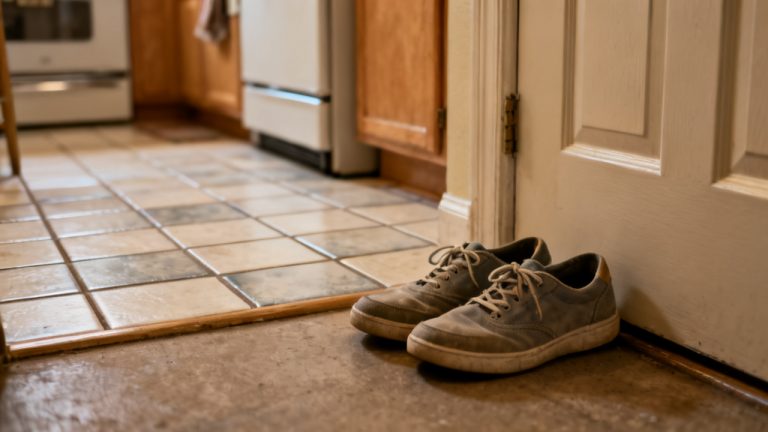
The metal ring wiggles. The lace running through it is already frayed. You’re hunched on the Doorstep Bench with one scuffed work boot propped on your opposite knee, rain still dripping off the toe from your walk home. A thread from the frayed lace catches on the sharp edge of the eyelet when you tug it loose, and you pluck the stray fiber off with your thumbnail. You’d noticed the lace catching when you tied your boots this morning, but you didn’t have time to investigate before you had to run for the bus.
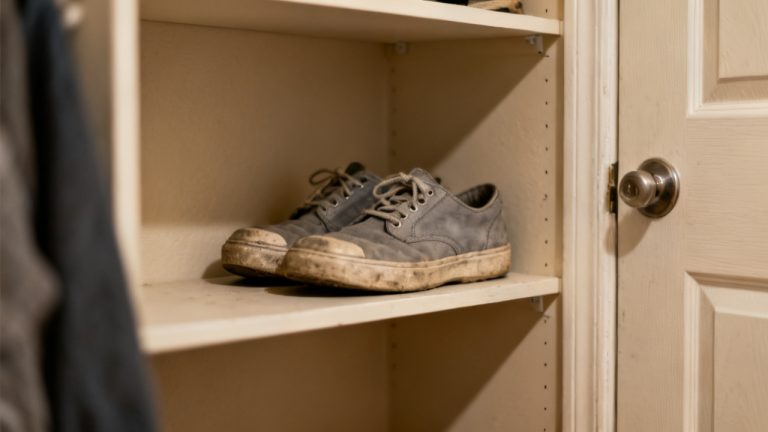
Assess this scuffed work boot
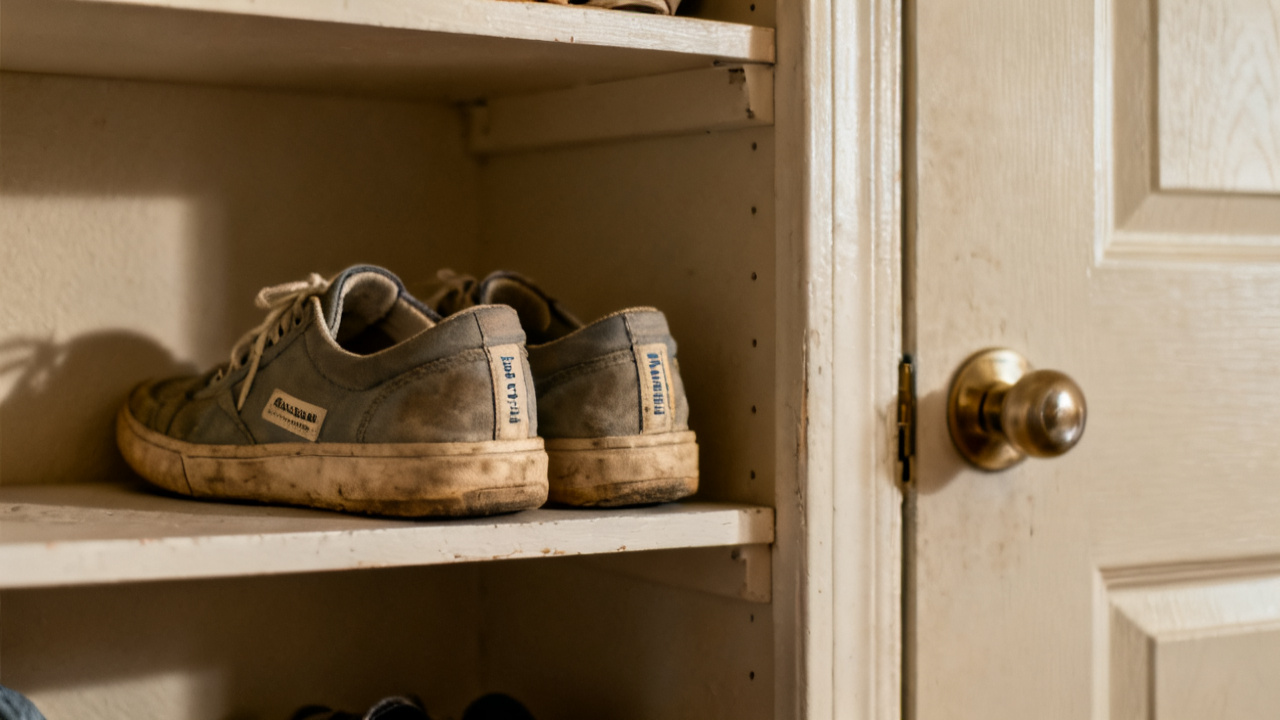
You run your finger along the edge of the wobbly eyelet to find the sharp burr that’s chewing through the lace, catching on the raised metal lip where the plating chipped off last month when you kicked a cinder block on the job site. The lace is frayed three quarters of the way through at that point, so it would snap halfway to work tomorrow if you tried to wear the boot as is, leaving you lopsided and fumbling for a way to secure the boot mid-commute. The other eyelets are all still firmly set, no other sharp edges or loose plating, so the only problem is this single, loose ring on the outer side of the left boot. You don’t have a replacement eyelet or the specialized tools to set it on hand right now, so you know any fix you do tonight is going to be temporary at best, good enough to get you through a quick errand if needed but not suitable for long days on your feet.
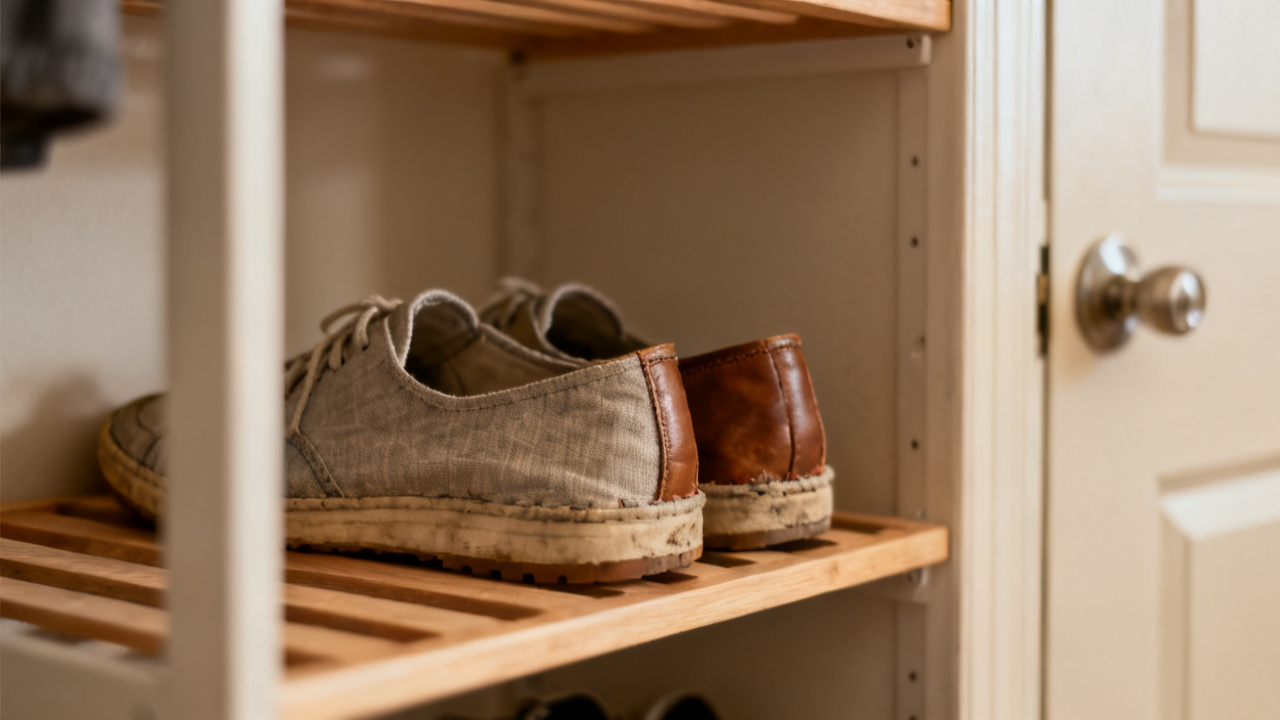
Pull the damaged lace free of this pair
You work the frayed end of the lace back through each eyelet one by one, careful not to yank it so hard the remaining intact threads snap before you get it all the way out. You set the lace on the doormat beside you, already making a mental note that you have a spare pair of waxed laces the same tan color as the original tucked in the back of the junk drawer in your kitchen, left over from when you replaced the laces on your hiking boots earlier this year. The loose eyelet wiggles a little more when you pull the last of the lace through it, so you press it flat against the boot’s oiled leather upper with your thumb to make sure it hasn’t pulled completely away from the fabric backing hidden under the leather. It’s still attached just enough to hold for a quick fix, as long as you don’t put too much stress on it right away, so you don’t have to worry about it falling off completely before you can do a proper repair.
Patch the sharp eyelet edge on this work boot
You keep a small emergency mending kit in the basket by your door for small fixes like this, so you grab the tube of super glue and bottle of clear nail polish from it before you start, following these steps to get the eyelet stable enough for short-term use:
- Dab a tiny dot of super glue on the back of the eyelet where it meets the leather, pressing it firmly in place for 10 seconds to keep it from wiggling while you work, wiping any excess glue off the surrounding leather with a damp paper towel before it dries.
- Run a thin, even layer of clear nail polish along the chipped, sharp edge of the eyelet, making sure to cover every part of the burr that’s cutting into the lace, and avoid getting polish on the surrounding leather to prevent discoloration.
- Blow gently on the polish for 30 seconds to help it set faster, running your finger along the edge once it’s dry to the touch to make sure there are no remaining sharp spots that could catch on the new lace.
- Thread the spare waxed lace through the eyelets, tying it loosely so you don’t put unnecessary pressure on the glued eyelet before the adhesive cures fully, and leave a little extra slack at the affected eyelet to reduce friction when you walk.
Illustrative example: This temporary fix will hold for a 12-minute walk to the corner bodega if you need to pick up cold drinks or snacks later tonight, but it will wear through after a few days of regular use, so it’s not a permanent solution for your daily work commute.
Test the temporary fix on this boot
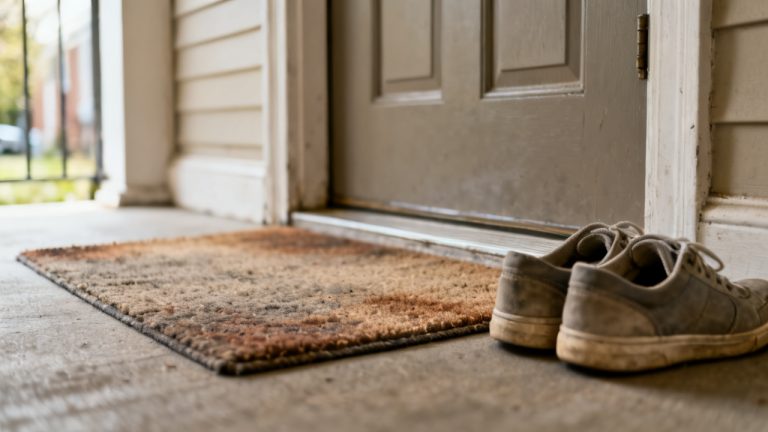
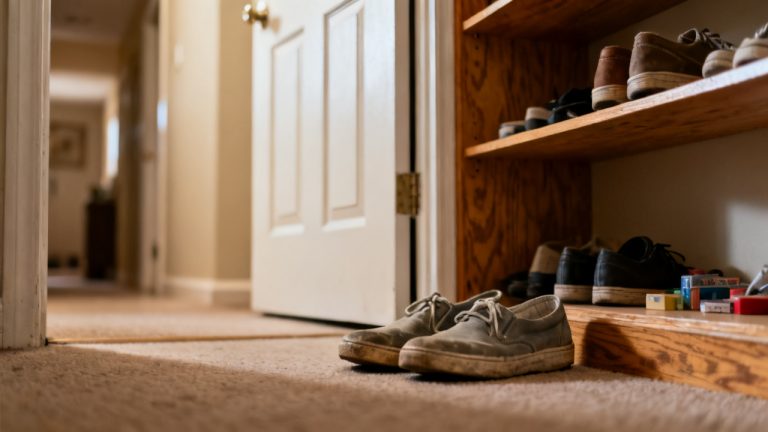
You slip the boot back on your foot, tying the lace snugly but not too tight, and shift your weight back and forth a few times to see if the eyelet wiggles or the lace catches anywhere along its length. You step up and down off the curb in front of your building three times, watching the eyelet closely to make sure it stays flush against the leather, no wiggling or lifting when you put your full weight on the ball of your foot. The lace sits smoothly against the polished edge of the eyelet, no new fraying or catching as you move, so you know the temporary fix works for any short trips you might need to take before you can do a permanent repair. You kick the boot back off, setting it next to its right-side pair on the mat by the door, away from the puddle of rainwater that’s collected under the edge of the awning.
Set this boot aside for tonight
You don’t want to mess with the glue while it’s still curing, so you leave the boot laced loosely on the mat, where it can air dry after getting soaked on your walk home. You tuck the frayed old lace into your jacket pocket to throw away once you get inside, so it doesn’t end up tangled with the other spare laces in your junk drawer or mixed in with your craft supplies. You don’t need to wear these boots for anything else tonight, since you’re planning to stay in and order takeout once you get inside, so you don’t touch them again for the rest of the evening, leaving them right where they are by the door.
Grab this pair when you sit down to mend gear this weekend
You already have a pack of replacement metal eyelets and a leather punch in your toolbox in the closet, left over from when you repaired a tear in your work apron last quarter, so you’ll be able to pull the old wobbly eyelet out completely, punch a clean new hole if needed, set a new one in its place, and seal the edges with a small file so there’s no sharp metal left to cut through laces again. You can also condition the leather of both boots while you’re working on them, rubbing a thin layer of beeswax into the scuffed toes and sides to waterproof them for the next stretch of rainy weather the forecast has been predicting all week. You’ll toss the old frayed lace when you pull the temporary one out, swapping it for the brand new waxed pair you have stashed, so you don’t have to worry about snapped laces halfway through your commute next week or catching your foot on a loose thread when you’re climbing ladders on the job site. You can also check the rest of the eyelets on both boots while you’re at it, filing down any small burrs you find before they have a chance to fray the new laces.