The Spare Lace in the Drawer
The broken lace is on the table. A spare is somewhere in the junk drawer. You huff a small laugh, because you’d meant to replace the frayed left lace on your white canvas low-tops three weeks ago, when you first noticed the threads pulling apart near the toe. You kick the scuffed pair near your feet a half-inch closer to the wall, so you don’t trip over them while you rummage. The late autumn light slants through the peephole cover, gilding the edge of the drawer pull you’re about to grip.
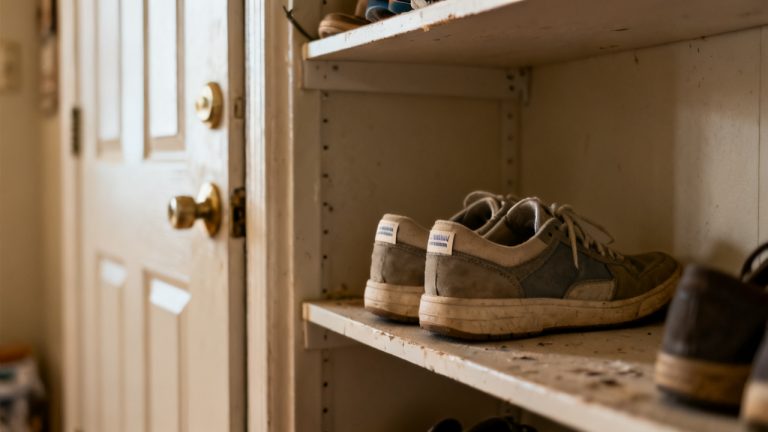
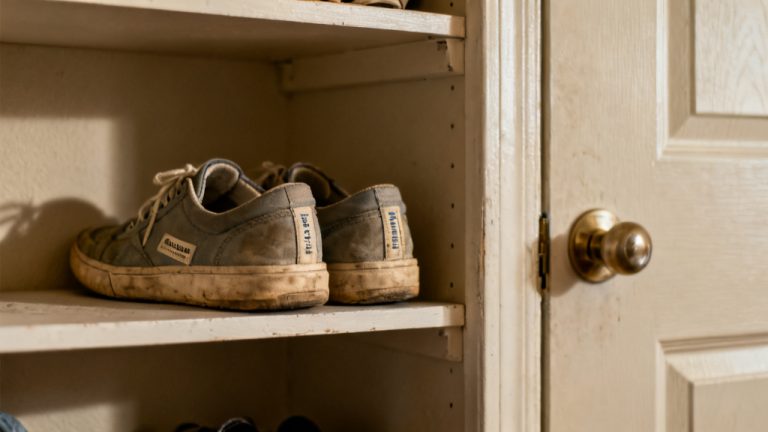
This white canvas low-top pair wears its scuffs like a badge
You pick up the left shoe first, turning it over in your hands to take stock of all the little marks that make it yours. The faint brown coffee ring on the toe comes from the time you tripped over a curb two blocks from your office last month, spilling half your oat latte all over your foot before a big presentation. The tiny, frayed tear at the top of the heel collar is from your foster puppy, who nipped at it when you walked in the door last Tuesday, overexcited to see you after you’d spent 8 hours out of the apartment. The sole is worn down just slightly more on the inner edge of the heel, the way it always is on every pair of shoes you own, a quirk of your gait you’ve never bothered to adjust. You run a finger along the empty eyelets where the broken lace used to sit, brushing off a few flecks of sidewalk salt left over from the surprise light frost last weekend. The right shoe, still laced with its original matching white lace, sits propped against the wall, its laces slightly askew from when you kicked them off 20 minutes earlier after getting home from your walk to the library. You’d been halfway up the stairs to your unit when the left lace snapped entirely, sending you fumbling for the stair rail to keep from face-planting into the carpeted landing. You’d tucked the broken ends into the shoe to get it the rest of the way up the stairs, then dropped the broken half on the entry table next to your keys before you even took your coat off. You yank the junk drawer open now, sifting past spare rubber bands, a dead AAA battery, a half-used pack of gum, a sticker you got from the record store downtown last summer, and a loose earring back before your fingers close around the crumpled plastic bag of spare laces you stashed there six months ago, when you bought a 3-pack on clearance at the shoe store.
You swap the broken lace for the spare you dig out of the drawer
Follow these steps to lace the shoe evenly so it fits the way you like:
- Pull all remaining frayed bits of the old broken lace out of the left shoe’s eyelets, wiping any accumulated sidewalk grit off the eyelet edges with the edge of your hoodie sleeve as you go. Grit caught in the eyelets can fray new laces faster, so taking 10 seconds to brush it off now saves you from having to replace this lace again sooner than you need to.
- Thread the flat white spare lace through the bottom two eyelets, making sure the length is even on both sides so you don’t end up with one side 2 inches longer than the other when you tie the bow. Hold the two ends up next to each other after threading the first set of eyelets to double check the length, adjusting if one side hangs longer than the other.
- Use a criss-cross lacing pattern to thread the lace all the way up to the top eyelets, pulling each cross snug enough that the shoe fits snug around your midfoot but not so tight it presses into the top of your foot when you walk. You can loosen individual cross sections if you prefer more room across the top of your foot, no need to keep every section the exact same tension.
- Tie a small temporary bow at the top to hold the lace in place while you test the fit by slipping the shoe on and wiggling your toes to make sure you have enough room to move comfortably. If the shoe feels too loose or too tight, adjust the tension of the laces one cross section at a time until it feels right.
Illustrative example: If you wear these shoes for a 12-minute walk to the corner bodega tomorrow, the lacing will stay snug enough that you won’t have to stop to retie it halfway there. If you want to adjust the tension further once you’ve walked a few blocks, you can sit on the Doorstep Bench when you get back to tweak the cross points without hauling the pair inside to the table. Don’t worry if the lace feels a little stiff at first; canvas laces soften with wear, so it will fit more naturally after a few wears. You don’t need to trim any excess length off the ends unless you want to, but if you do, you can melt the cut ends lightly with a match to keep them from fraying, as long as you work carefully over the sink to avoid burning any part of the shoe. You slip both shoes on now, testing the fit by walking back and forth across your entryway a few times, bouncing on your toes to make sure the laces don’t slip or pinch. The left shoe feels exactly the same as it did before the lace broke, which is exactly what you want; there’s no break-in period for a new lace, just the same familiar fit you’ve grown used to over the last eight months you’ve owned these shoes. You tie the bows into the same loose double knot you always use, so they don’t come undone when you’re walking, then slip the shoes back off to set them aside for the night.
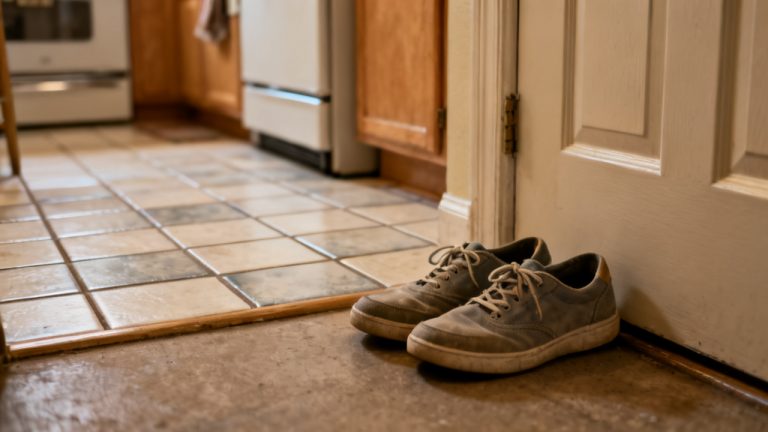
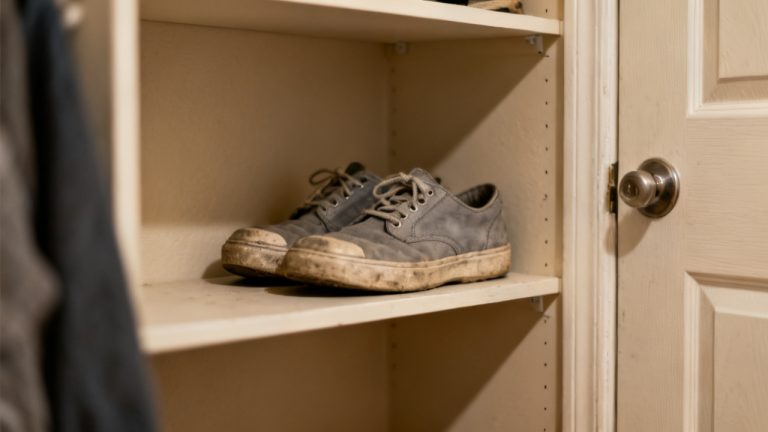
The relaced pair waits by your entry mat for your next errand run
You set the pair side by side on the rubber entry mat, right next to your rain boots, so you don’t forget to grab them when you head out tomorrow. The broken old lace goes in the trash under the sink, and the remaining two spare laces go back in the junk drawer, tucked next to the pack of gum so you know where to find them if the right lace breaks a few months from now. You wipe a faint smudge of dirt off the toe of the left shoe with a damp paper towel, just enough to get the worst of the sidewalk grime off, before you turn away to head to the kitchen to make dinner. The next time you interact with this pair, you’ll slip them on to head out for that bodega run, grabbing your keys and your reusable tote off the entry table before you lock the door behind you. You might wear them to the farmers market this weekend, where you’ll walk up and down the rows of stalls picking up apples and sourdough bread and tiny jars of honey, or you might wear them to meet your friend for coffee at the shop down the street, where you’ll sit outside on the patio for an hour catching up. You don’t have to plan anything special for these shoes; they’re your everyday pair, meant for all the small, unremarkable trips that make up your week. The new lace will blend in perfectly with the old one on the right shoe, so no one will even notice you replaced it unless you point it out, and that’s exactly how you want it. You don’t need flashy shoes to get where you’re going, just a pair that fits well, holds up to all the walking you do, and has a spare lace tucked away in the junk drawer for when one inevitably breaks. You glance back at the pair as you walk into the kitchen, the light from the entryway lamp catching the white laces, and smile a little at how small, easy fixes like this make your days run just a little smoother. You don’t have to spend a lot of money or time to keep the things you use every day working well, just a spare lace and five minutes to swap it out when you get home at the end of the day. You won’t have to think about these shoes again until you reach for them tomorrow, and that’s the whole point of a reliable, well-loved pair: they fade into the background of your day, so you can focus on where you’re going instead of what’s on your feet.