The Morning Check Before You Tie Them
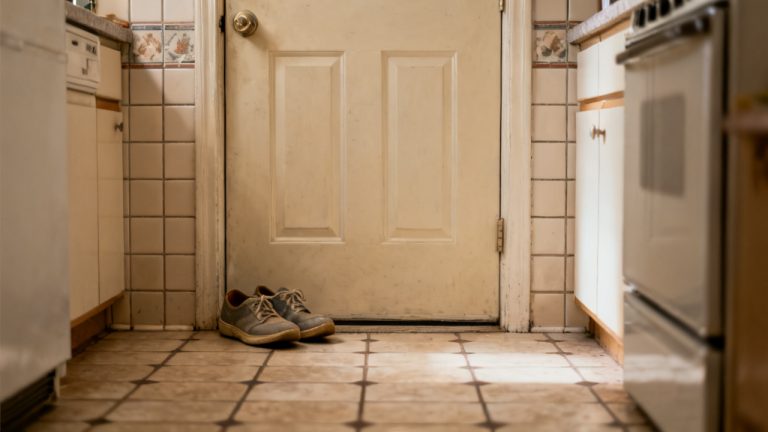
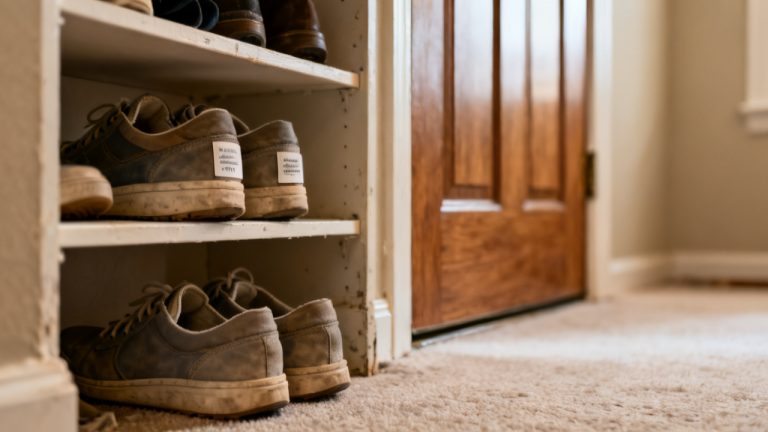
The shoes are on your feet and not yet tied. You still have a minute. You wiggle your toes to feel for any stray pebbles that might have snuck into the uppers after you left them by the door last night. The toe of the left shoe brushes the edge of your Doorstep Bench as you shift your weight to test the heel fit. No weird pressure points are popping up yet, but you know small irritations turn into annoying blisters by the second block of your commute.
Tuck stray lining out of this shoe’s collar first
The soft mesh lining along the ankle collar of these shoes has a habit of folding inward when you slip them on in a hurry, especially on the left side where the stitching is slightly stretched from months of use. If you leave that folded edge tucked against your skin, it will rub a raw spot long before you reach your destination, even if you’re only walking a few blocks. You run your index finger around the inside edge of each collar, pulling any folded fabric flat so it sits smooth against your skin. You don’t need to yank hard or adjust the entire lining; even a half-inch fold is enough to cause irritation over a short walk. Illustrative example: A 12-minute walk to the bus stop is enough for an untucked lining to leave a bright red mark that lingers through your first work meeting. You double-check the left shoe twice, since that’s the side that always gives you trouble, before moving on.
Wipe loose grit off this pair’s tread before you step off the mat
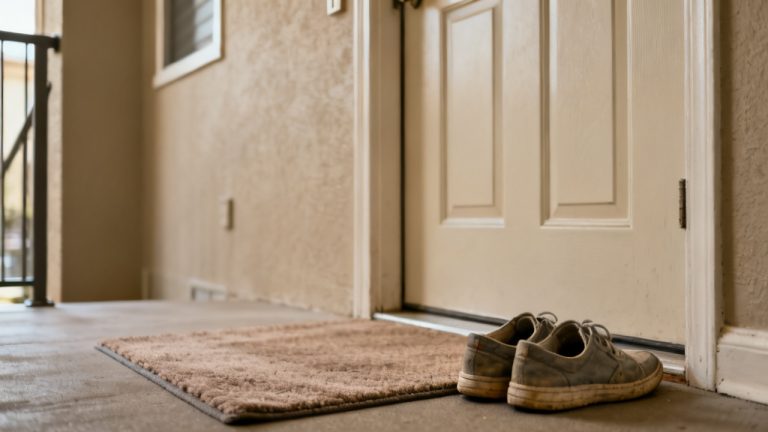
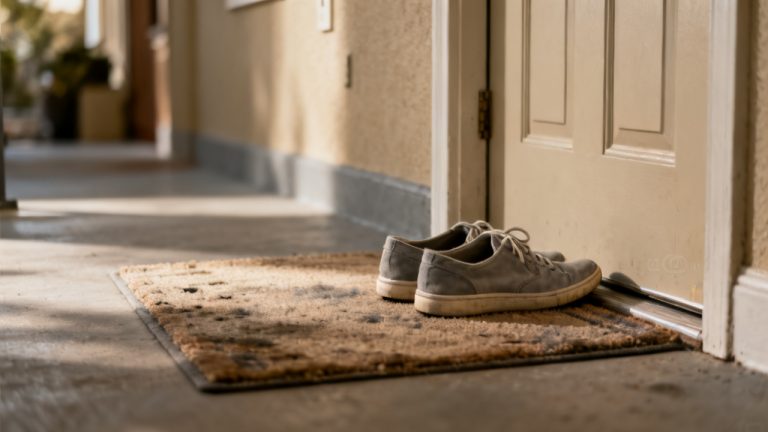
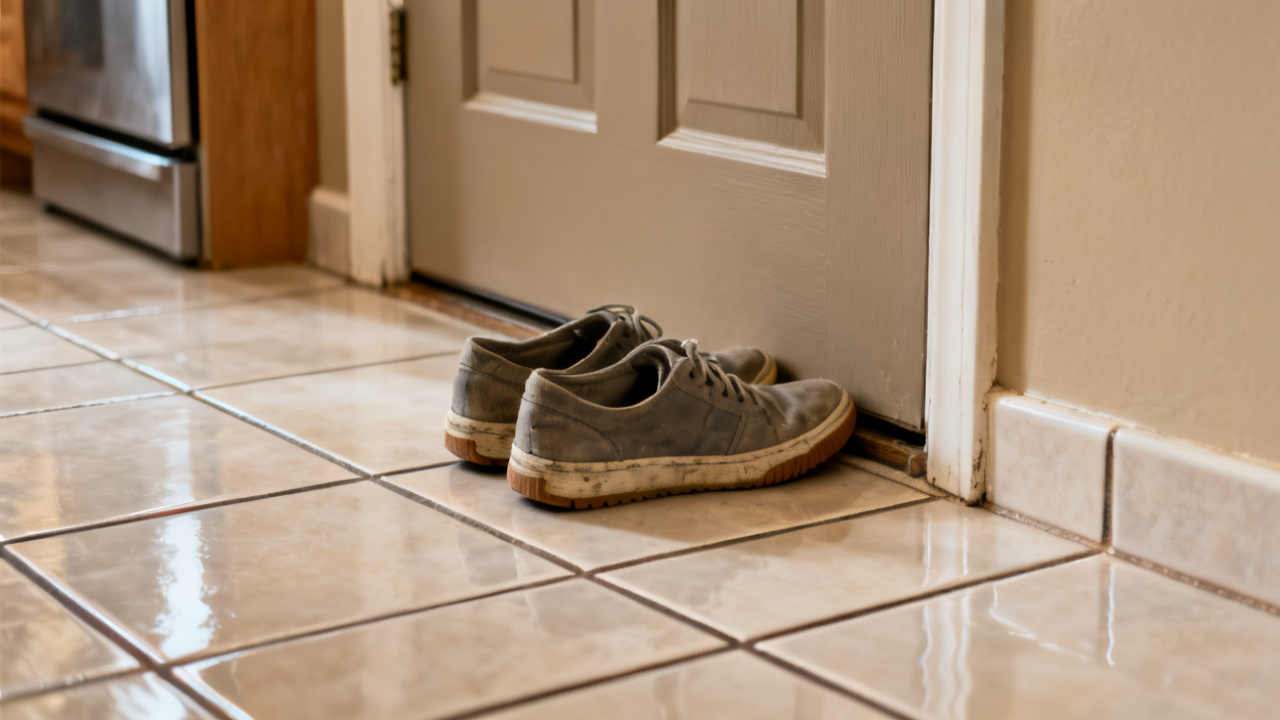
You don’t want to track tiny pieces of sidewalk gravel into your building’s lobby, where they can scratch the polished tile floor and earn you a side-eye from the building manager, or worse, grind them into the grooves of the tread so they get stuck for weeks, wearing down the rubber faster than normal. You lift each foot one at a time, scraping the edge of the sole against the ribbed coir doormat to dislodge any crumbs of dirt, small pebbles, or bits of dead leaves caught in the tread gaps. You also brush a quick hand over the matte white toe box to wipe off the faint layer of dust that settled overnight when the window above the door was cracked open to let in cool evening air. A quick wipe now means you won’t have to scrub at that dust later when it gets mixed with rain or coffee splatters and turns into a harder-to-remove stain.
Note small fixes for this pair to schedule later
You don’t need to handle any of these fixes right now, when you’re already counting down the minutes until your bus arrives, but jotting them down quick in your phone’s notes app means you won’t forget when you have 10 minutes free to tend to them over the weekend. No fix is urgent enough to make you late for your commute, but catching them early stops small issues from turning into a pair of shoes you have to replace entirely months before you were planning to. The table below lists the small issues you spot on this pair right now, so you can reference it later when you have time to make the fixes:
| Issue | When to address | Supplies needed |
|---|---|---|
| Small 1cm scuff on right toe cap that you didn’t notice last night | Next free Sunday, when you’re already polishing your other white shoes | White shoe polish and soft microfiber rag |
| Frayed plastic tip on the end of the left shoelace that keeps catching on the eyelets | End of the week, when you stop by the corner store to pick up groceries | Clear nail polish or a replacement 45-inch flat white shoelace |
| Slight wear on the inner heel lining of the left shoe, where the mesh is starting to thin | Next month, when you drop your winter boots off for resoling at the local shoe repair shop | Flexible shoe repair glue and a small patch of matching white mesh |
You type a quick reminder in your notes app with a link to a screenshot of this table, so you don’t have to re-inspect the shoes later to remember what needs to be fixed. You don’t have to stick to the timeline exactly; if your Sunday gets booked up with plans, you can push the toe cap polish back to the following weekend with no harm done.
Test the knot hold on this pair before you grab your bag
You lace each shoe with even tension, pulling the laces just tight enough that your foot stays secure in the upper without cutting off circulation to your toes. You skip the extra tight cinch at the top eyelet that you use for long runs, since you’re only walking to the bus and sitting at a desk all day, and tight laces will leave you wiggling your feet under your desk to get comfortable by mid-morning. You tie a standard double knot, then give the loose ends a firm tug to make sure they don’t come undone when you’re rushing up the stairs to the train platform or chasing your dog around the park after work. You shift your weight from heel to toe a few times, then take three quick steps back and forth across the doormat to make sure the laces don’t dig into the top of your foot anywhere, and that your heel doesn’t slip up inside the shoe when you move. If the knot feels loose after your test steps, you retie it once, making sure the loops are even so it doesn’t lean to one side and slip apart mid-walk.
Do a quick once-over of this pair when you kick them off tonight
This check will only take 10 seconds, and it will save you from having to do extra work on the shoes later on. You don’t have to do a deep clean or handle any of the scheduled fixes when you get home, unless you have extra time and feel like it, but a fast scan lets you spot any new scuffs, mud splatters, or stuck bits of debris before they set in and get harder to remove. You can set them against the wall by the door so the soles air out overnight, so any dampness from walking through dewy grass this morning doesn’t settle into the foam insole and cause a stale smell that lingers for weeks. You can also use that moment to cross off any of the small fixes you noted earlier if you had time to handle them during the day, or move them to a later date if your schedule got busier than expected. If you notice any new issues during that evening check, you can add them to your note so you don’t forget to address them when you have time. This quick routine keeps your shoes in good shape for longer, and means you never have to deal with the frustration of putting on a pair of shoes in the morning only to find a problem you could have fixed easily the night before.