Mark the Pair That Is for Rain
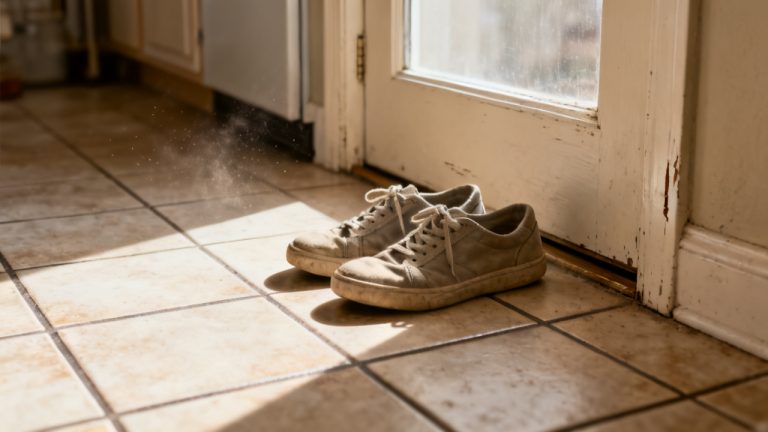
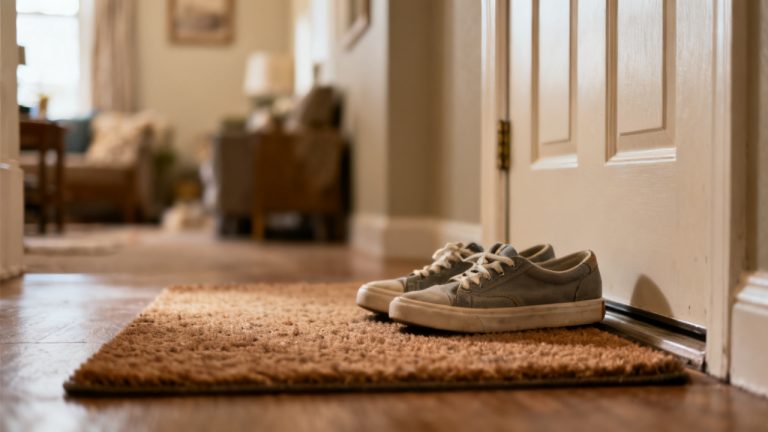
Two pairs look the same from the door. Only one is the rain pair. You’re holding one of the identical white low-top sneakers in your left hand, thumb brushing the faint scuff on the toe cap that the other pair doesn’t have. You balanced both pairs on the Doorstep Bench for ten seconds when you got home in the afternoon drizzle, and you still almost stacked the wrong pair on the entryway shoe shelf. Your socks are still damp from the mix-up, so you don’t want to repeat the mistake tomorrow.
Hold This Shoe Up to the Hall Light
You flip the shoe over in your hand, running your finger along the tread to check for the tiny crack along the heel that you noticed last month when you stepped in a deep puddle on your way to the grocery store. The other pair, the one you save for dry days and weekend coffee runs with friends, has perfectly intact tread with no signs of wear at the heel or the ball of the foot. You can barely see the crack from across the room, which is why you keep mixing them up when you’re rushing out the door for early meetings or last minute errands. You turn the shoe over again, pressing the mesh upper gently to see if the water repellent coating you sprayed on three weeks ago still has any of its slick, water-resistant finish.
Check This Pair for Unmarked Water Damage
You set the matching shoe from the same pair next to the one in your hand, and run a finger along the seam where the upper meets the sole to feel for trapped moisture. The left shoe has a faint dark spot along the inner seam where water seeped through earlier today, proof that this is the pair you wore out in the drizzle. You sniff the insole lightly, and pick up the faint mildew scent that only sticks to shoes that have gotten wet at least three times without fully drying out. Illustrative example: If you walk 12 minutes through light drizzle in a non-treated pair of these sneakers, the mesh around the toe will seep through to your sock before you get to the bus stop. The dry pair has no dark spots, no mildew scent, and tread that doesn’t have any of the micro-cracks that let water sneak in, so you know you’re holding the right pair to mark for rain. You set the dry pair aside for now, focusing on the two shoes that will be your go-to for wet weather for the rest of the season.
Add a Permanent Mark to This Rain Pair
You don’t want to draw anything on the outside of the shoe that will mess with the neutral look you like, so you opt for a hidden mark that only you will see when you’re grabbing shoes to leave. Follow these steps to make the mark without ruining the shoe’s outer appearance:
- Grab the fine-tip permanent fabric marker you keep in the junk drawer by the door, the one that doesn’t bleed through smooth leather or canvas.
- Lift the tongue of each shoe in the rain pair, and draw a small, solid rain cloud on the inner edge of the tongue, right where only you will see it when you pull the shoe on.
- Wipe the tip of the marker on a scrap of paper towel to avoid getting excess ink on the shoe’s upper, then set the marker aside to dry for 30 seconds.
- Press a clean corner of the paper towel to the mark you drew to make sure no ink transfers when the fabric shifts against your sock.
- Repeat the mark on the second shoe in the pair so you don’t end up with one marked and one unmarked shoe if you ever separate the pairs mid-week.
You test the mark by pulling the tongue out and putting it back in a few times, making sure it doesn’t rub off on your hand or the inside of the shoe. The mark is small enough that no one else will see it even if you wear the shoes without socks, so you don’t have to worry about ruining the clean design you like. You can adjust the size or shape of the mark if you want to make it even more subtle, but the tiny cloud is easy to spot with a quick glance when you’re in a hurry.
Grab This Pair First When the Forecast Calls for Rain
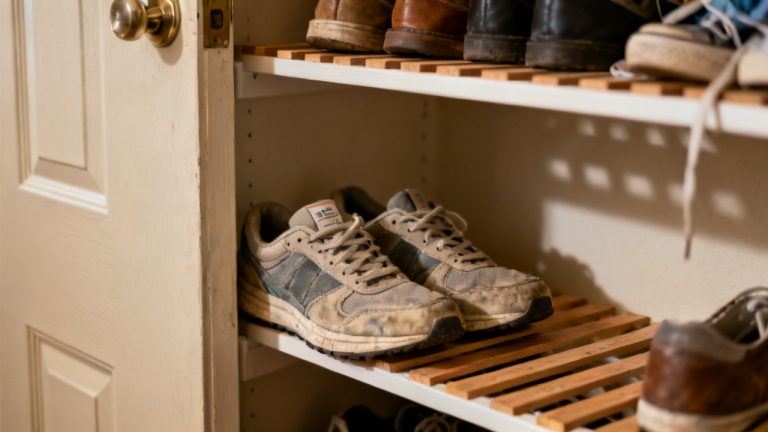
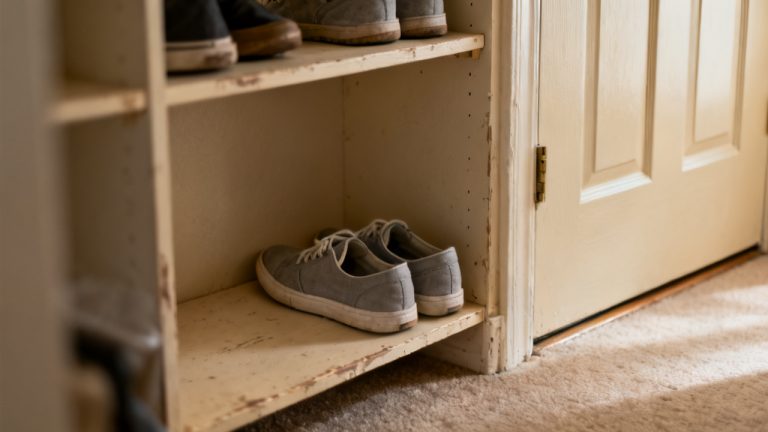
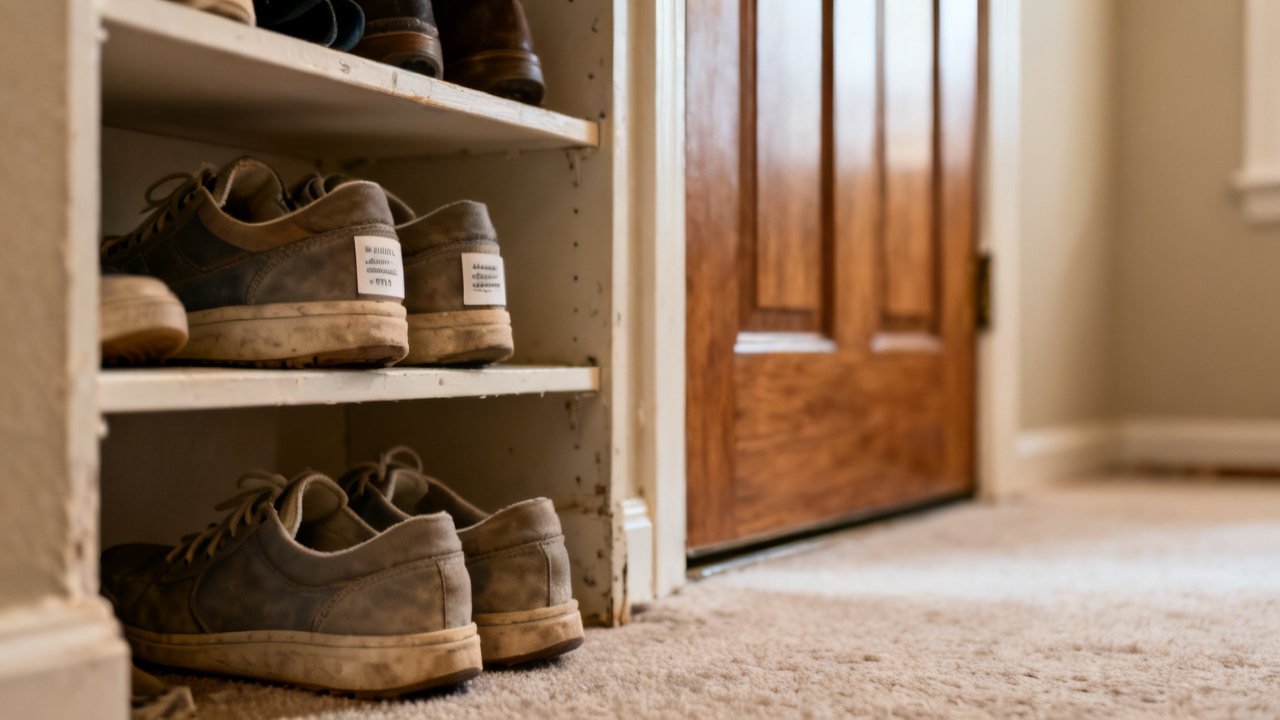
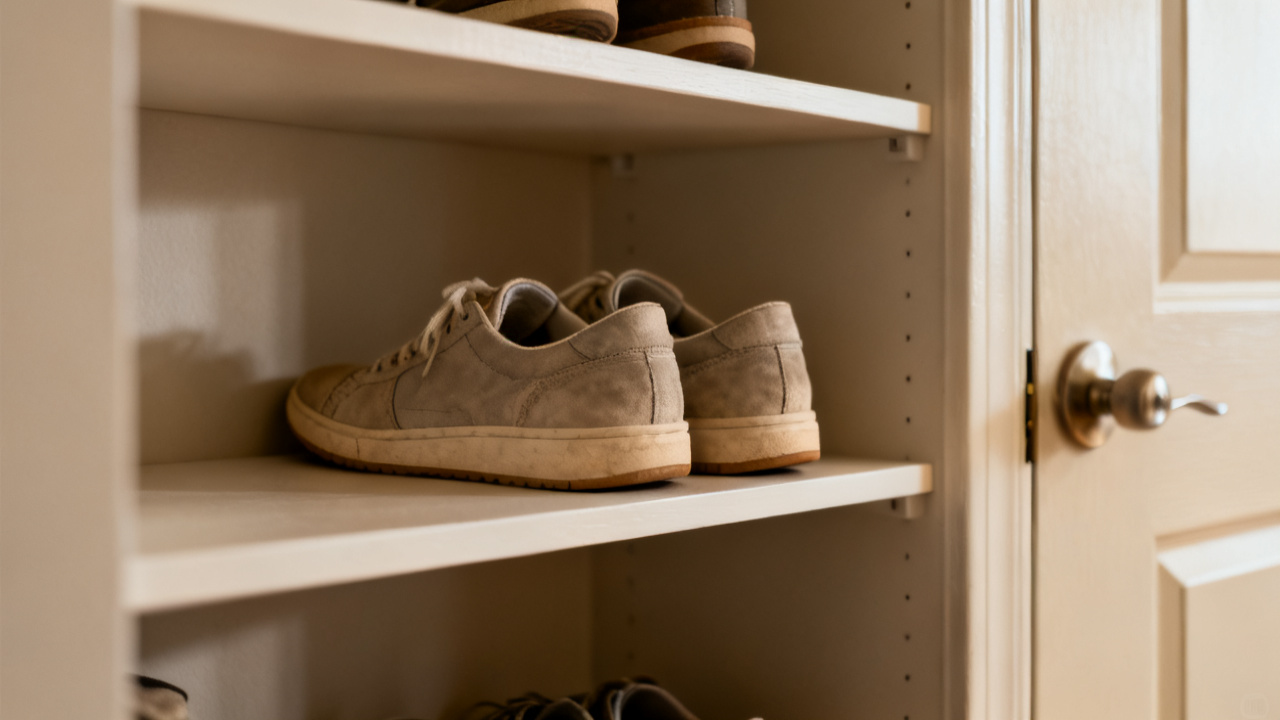
You set the newly marked rain pair on the lower shelf of your entryway shoe rack, right by the door, so you don’t have to hunt for them when you’re rushing out in the morning. The dry pair goes on the upper shelf, far enough away that you won’t accidentally grab them when you’re half-asleep and reaching for shoes before your first coffee. Tomorrow, the forecast calls for steady rain starting at 7 a.m., right when you usually leave for work, so you’ll reach for the lower shelf first, flip the tongue up to confirm the tiny rain cloud mark, and slip them on without double-checking the tread or sniffing the insole. You don’t have to waste time running your finger along the seam or checking for dark spots every time rain is in the forecast, because the tiny mark takes less than a second to confirm when you’re pulling shoes on. If you ever re-spray the pair with water repellent, you can add a tiny dot next to the rain cloud to remind yourself when you last treated them, so you don’t waste time re-spraying a pair that still has a strong protective coat. If a friend borrows a pair of your sneakers for a quick run to the corner store, you can tell them exactly which pair to grab for wet weather without having to explain the subtle scuffs or tread differences. You don’t have to worry about mixing the pairs up ever again, even if you buy a third identical pair for running later this year, because you can add different small marks to each pair to signify what they’re used for. When you get home tomorrow after walking through the rain, you’ll set the pair on the mat by the door to dry, and you won’t have to wonder if you grabbed the wrong pair, because the tiny cloud on the tongue will confirm you made the right call.