Newspaper or a Dry Towel for a Rain-Soaked Shoe
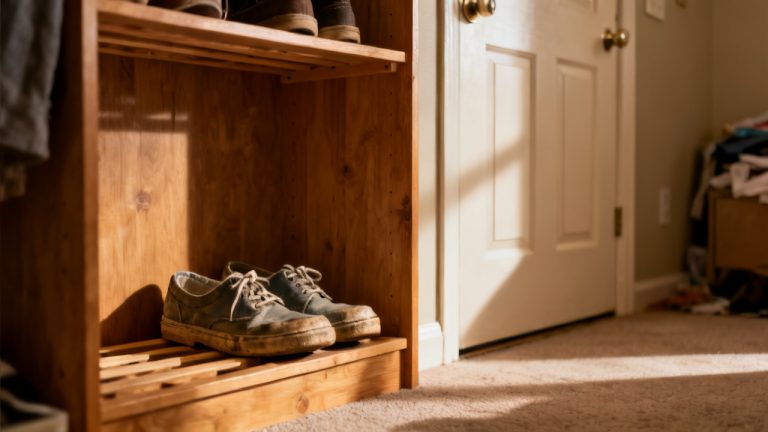
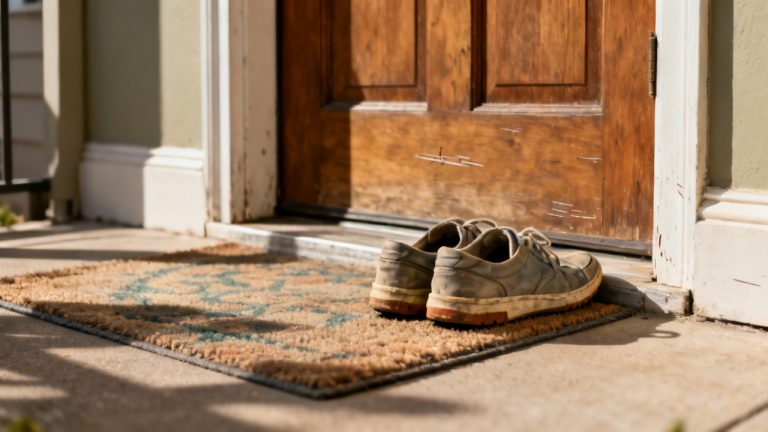
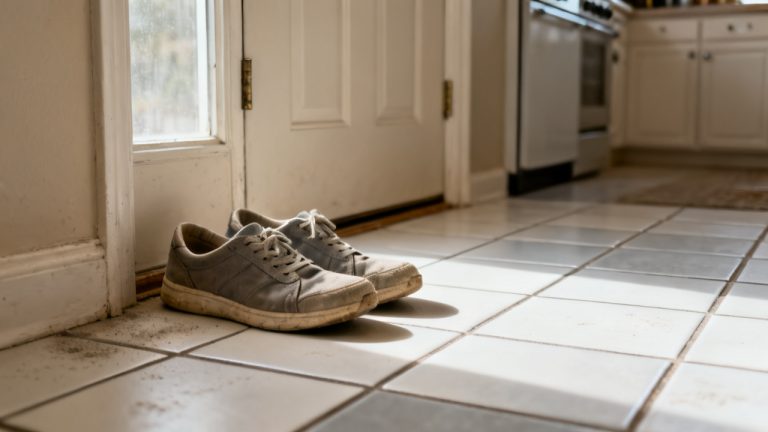
Both shoes are dark from the walk home. A dry towel is on the chair and yesterday’s paper is by the bin. Your socks squelch when you shift your weight on the doormat, and you can feel cold water seep past the ankle cuff of your left shoe every time you move. You kick them off one at a time, careful not to sling water onto the entryway rug, and set them side by side next to your Doorstep Bench.
Prep this soaked pair for fast initial moisture wicking
First, pull the laces loose enough that you can tug the tongue of each shoe up a full inch away from the toe box, to open up airflow into the deepest parts of the shoe. Dump out any standing water that sloshes around when you tip each toe toward the floor, pouring it directly onto the doormat. Illustrative example: A 22 minute walk through sudden, unforecasted downpour is usually enough to soak even water-resistant canvas sneakers through to the insole, so you don’t want to trap any pooled water inside the shoe before you start drying it. Follow these four quick steps to get the pair ready for drying:
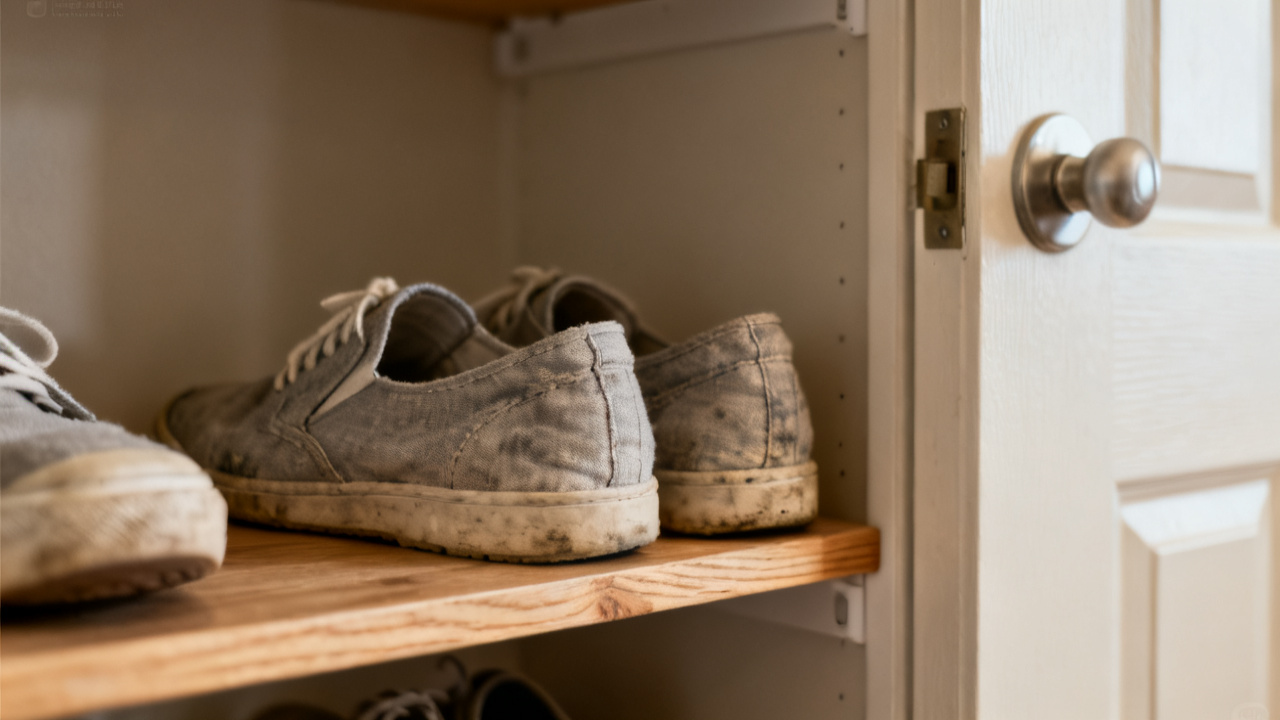
- Pull each shoe’s insole out completely, taking care not to tear the fabric edge if it’s glued down slightly at the heel.
- Set the insoles on the edge of the doormat, fabric side up, so they can air out separately from the shoe bodies.
- Fold the top edge of the dry towel over twice to make a thick, absorbent pad that fits under both shoes.
- Crumple three full sheets of yesterday’s newspaper into loose balls, not packed so tight they can’t expand when they absorb moisture.
Layer newspaper inside each shoe for deep dampness pull
Start by tucking one crumpled newspaper ball into the toe of each shoe, pushing it gently against the front seam so it makes full contact with the damp fabric. Tuck the second ball into the midfoot area, right under where the tongue rests, and the third ball up against the heel cup. Newspaper works better than paper towels here because the porous, uncoated print stock absorbs moisture faster, and the ink doesn’t transfer to most shoe fabrics as long as you don’t leave it pressed against wet light-colored suede for more than a few hours. You don’t need to stuff the shoe so full that the upper stretches out; leave a small gap between the newspaper balls and the top edge of the shoe to let air circulate in and out as the moisture evaporates.
Blot the outer fabric of this shoe with the dry towel
Take the unused section of the dry towel and press it firmly against the wettest parts of the shoe upper, starting with the toe and moving up to the ankle cuff. Don’t rub the fabric, because that can push dirt deeper into the weave and cause discoloration once the shoe dries, especially if you walked through muddy puddles on your way home. Hold the towel in place for 10 seconds at a time, lifting it to check how much moisture it’s pulled out, and move to a dry section of the towel as needed. If the sides of the sole are caked with mud, you can scrape the worst of it off with the edge of the towel before you blot, to keep the mess contained to the entryway. If you’re working with leather or suede shoes, you can use the corner of the towel to gently blot around any stitched seams or decorative details, where moisture tends to get trapped.
Leave this pair to sit undisturbed for three hours
Set the stuffed shoes on top of the folded towel pad, facing each other with the tongues pulled fully open to maximize airflow. Don’t set them next to a space heater or direct heat source, because high heat can warp the rubber sole or crack the glue that holds the shoe together, leading to premature wear later on. If you have a small fan sitting on the entryway table, you can point it at the shoes on the lowest setting to speed up evaporation, but it’s not required for the initial drying phase. Resist the urge to pull the newspaper out early to check how dry the shoes are, because that breaks the contact between the paper and the damp fabric and slows down the wicking process. If you have pets that like to chew on paper, you can set the shoes on a higher shelf out of their reach during this three hour window, to avoid coming back to a mess of chewed newspaper and half-damaged shoe laces.
Stop work on this shoe for the rest of tonight
After three hours pass, you can pull the old newspaper out of each shoe and toss it in the bin, then give the outer fabric one more quick blot with the remaining dry part of the towel if it still feels damp to the touch. You don’t need to add fresh newspaper tonight, and you don’t need to do any additional cleaning or drying steps before you head to bed. The shoes will continue to air out slowly overnight on the towel pad, and any remaining dampness won’t cause permanent damage to the fabric if it sits for another 8 to 10 hours. You don’t have to worry about mildew setting in overnight, as long as the shoes are in a well-ventilated part of your entryway and not sealed up in a closet or plastic bag. You can hang your wet socks over the edge of the tub to dry, then leave the entryway light off if you’re done for the night.
Check this pair for remaining dampness tomorrow morning
When you walk through the entryway tomorrow, press your finger to the inner toe of each shoe to see if any part still feels cool or damp to the touch. If the fabric feels fully dry, you can slip the insoles back in, re-lace the shoes, and wear them as usual. If there’s still a faint dampness in the toe or heel, you can crumple fresh newspaper and tuck it inside for another two to three hours while you’re at work or running errands, and they’ll be fully dry by the time you get home. If you notice any faint water spots on the upper fabric once they’re dry, you can dab them with a small amount of mild detergent and a damp cloth to lift the discoloration before you wear them out again. If the insoles still feel damp when you pick them up, you can set them on a windowsill for a few hours to air out before you tuck them back into the shoes.