One Wet Shoe and One Dry Shoe
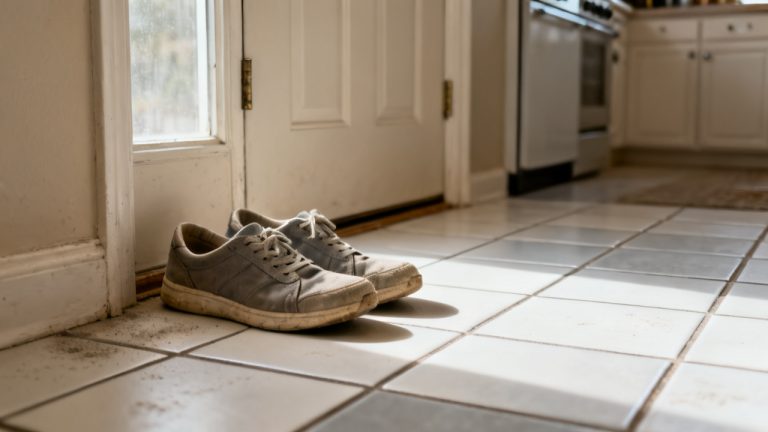
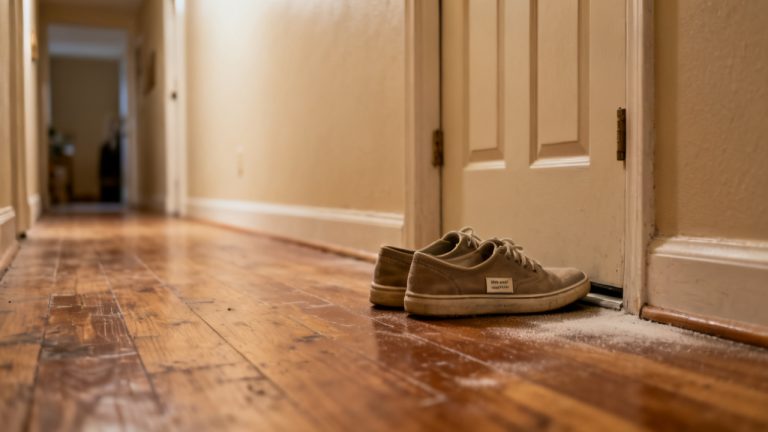
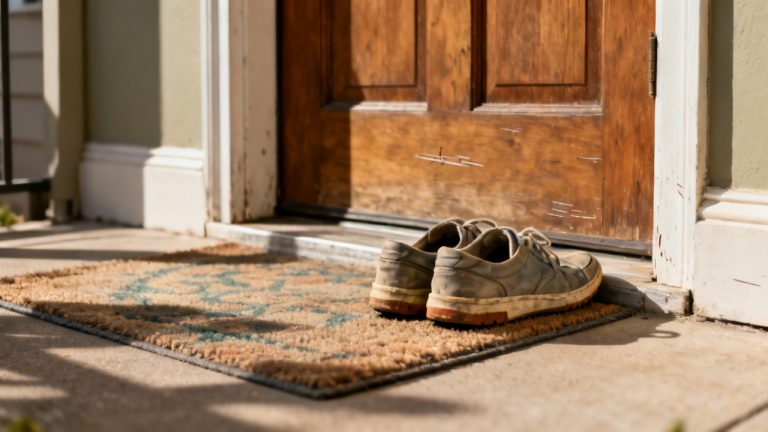
Only the right shoe went into the puddle. The left one is merely damp at the toe. You hover on the threshold, keys still jangling in your hand, rain still dripping off the hood of your jacket onto the back of your neck. You don’t want to trail water across the entryway rug you spent three weekends picking out, and you don’t want to leave the pair half-on, half-off, where the cat might bat the laces under the radiator before you can grab them. The hall light glows soft on the scuffed suede toes, and you have exactly two choices for how to handle the pair right now, no middle ground.
Two options for this mismatched pair
The first choice is to treat both shoes the same, tossing them into the washing machine on a cold, delicate cycle with a small amount of gentle detergent, then running an extra spin cycle to pull out excess water before you set them out to dry. This route ensures the suede on both shoes fades at the same rate, so you don’t end up with one noticeably darker shoe long term, and it lets you wash out the small salt stains that have been building up on the heels from walking on treated sidewalks all winter. The catch is that suede takes a full 24 hours to dry completely when saturated, so you won’t be able to wear the pair for your scheduled 7am walk with your neighbor tomorrow, and you’ll have to dig out your old running shoes that don’t have the same level of cushion for the route. The second choice is to only clean and dry the saturated right shoe, leaving the mostly dry left shoe to air out for a few hours so the damp toe fully evaporates, with no full washing required. This route means the left shoe will be completely dry by morning, and the right shoe will be dry enough to wear for your walk, so you don’t have to cancel on your neighbor or wear shoes that leave your heels sore by the end of the route. The tradeoff is that the suede on the right shoe might dry a half-shade darker than the left, creating a subtle mismatch that’s only visible if you hold the pair up to direct light, but could bother you if you prefer your footwear to look perfectly uniform.
Your choice for these suede walking shoes
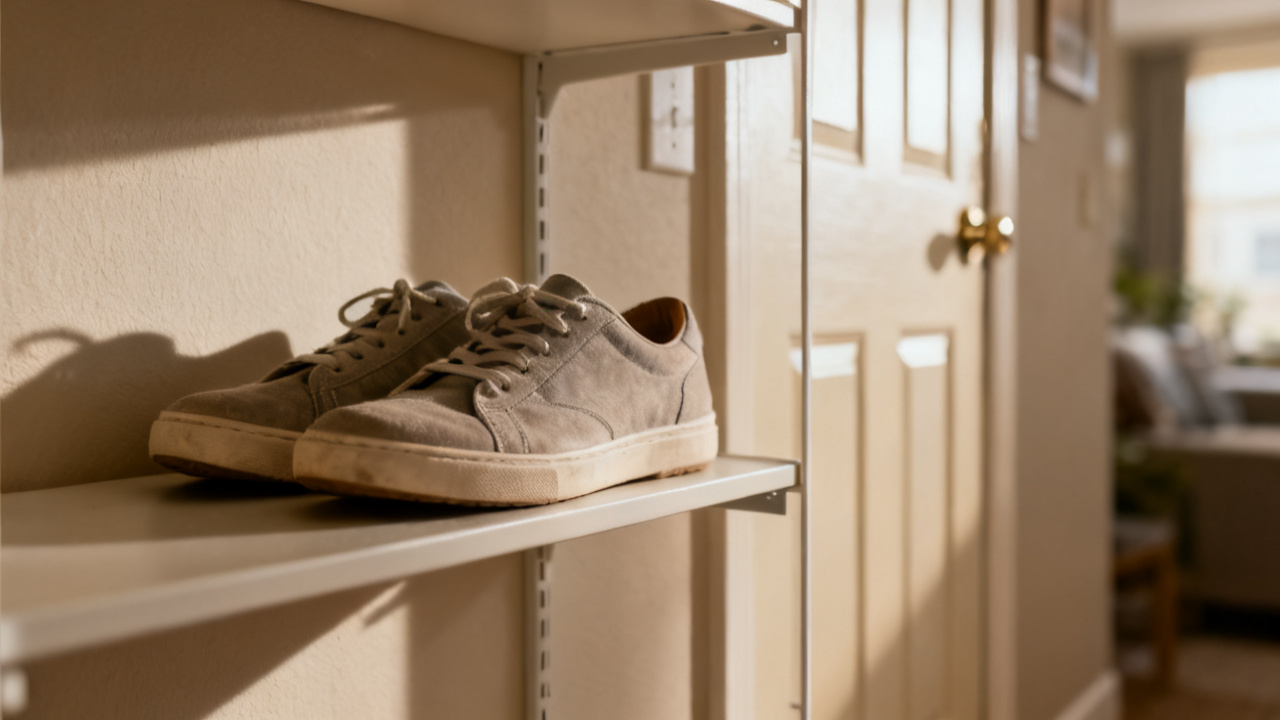
You pick the spot clean and partial dry option, because your neighbor has been talking about this new wildflower trail for three weeks, and you don’t want to make them reschedule when the forecast calls for clear, 60-degree weather tomorrow morning. The small risk of a subtle shade mismatch feels worth it to get to walk the trail while the flowers are still in bloom, and you can always even out the color later if the difference ends up bothering you. You set your keys down on the entry table, hang your wet jacket on the coat rack, and carry both shoes by the heels over to the kitchen sink, being careful to hold the right shoe at an angle so water doesn’t drip down your wrist or onto the hardwood floor. You grab the stack of microfiber cloths you keep under the sink for cleaning up spills, and pull out a roll of plain printer paper from the desk drawer to use for stuffing, since paper towels leave lint that gets stuck in the suede nap.
How to dry this pair without warping the soles
Follow these steps to pull moisture out of the shoes without damaging the suede or shrinking the rubber soles:
- Hold the right shoe upside down over the sink, and squeeze the toe and heel gently with your free hand to press out excess puddle water. Avoid twisting the upper or pulling on the laces, since that can stretch the suede out of shape and make the shoe fit loose around your arch after it dries.
- Blot every wet surface of the right shoe with a clean, dry white microfiber cloth, pressing firmly against the fabric instead of rubbing. Rubbing will scuff the suede nap and leave permanent fuzzy patches, while pressing pulls moisture out without disturbing the texture of the material. Blot the damp toe of the left shoe the same way to pull out the small amount of moisture there.
- Stuff both shoes loosely with crumpled plain printer paper, making sure the paper fills the toe box and heel cup but doesn’t stretch the fabric outward. Replace the crumpled paper every 15 minutes for the first hour, since the paper will saturate quickly and stop wicking moisture away if left in too long. Illustrative example: If you get distracted watching a show and leave the first set of paper in for 27 minutes instead of 15, you won’t damage the shoes, but you will add roughly 90 minutes to the total drying time for the right shoe, since the wet paper will hold moisture against the inner lining instead of pulling it out.
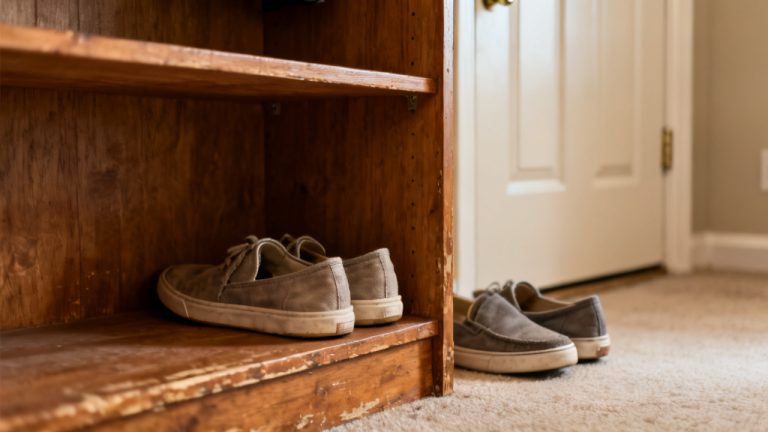
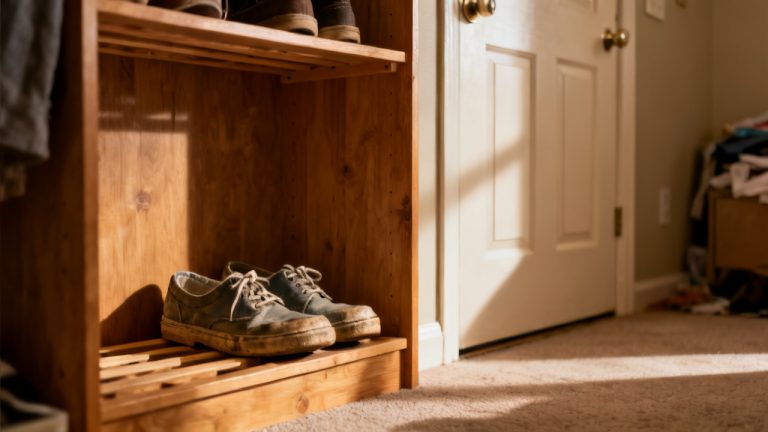
- Prop the right shoe on its side on the slatted heating vent next to the front door, and hang the left shoe by its laces from the coat hook above the vent, so air flows evenly around every surface of both shoes. Avoid setting the shoes directly on top of a space heater or radiator, since direct high heat can crack the rubber soles or make the suede shrink so much the shoes no longer fit. If the forecast called for no more rain overnight, you could set the pair on the Doorstep Bench to get fresh air flow, but the weather app calls for a 30% chance of drizzle after midnight, so keeping them inside is the safer call.
- Wipe the rubber trim around the soles of both shoes with a damp microfiber cloth to remove any small mud splatters from the edge of the puddle, so the dirt doesn’t dry and cake into the crevices of the tread overnight, making it harder to scrape off later.
Once you finish the steps, you grab a bright yellow sticky note from the desk drawer and scrawl a quick reminder to yourself before you head to bed, sticking it to the top of the entry table where you can’t miss it when you wake up. You leave the hall light on low so the air keeps circulating around the shoes overnight, and double check that the cat can’t reach the laces to bat them around while you sleep.
The first thing you do with this pair tomorrow
When your alarm goes off at 6:30am, the first thing you do after pouring your coffee is walk over to the vent to check on the shoes. The left shoe is fully dry, no trace of damp left in the toe, and the right shoe is almost completely dry, with only a tiny damp spot on the inner heel that will air out in the first few minutes of your walk. You spot the bright yellow sticky note you left on the entry table before you went to bed, scrawled in your messy handwriting: “Check suede shade in sunlight after walk.” You slip the shoes on to test the fit, and they feel exactly the same as they did before you stepped in the puddle, no tight spots or stretched fabric. You grab your water bottle and your hat, lock the door behind you, and meet your neighbor at the end of the driveway right on time. If the suede shade difference is noticeable in the sunlight after your walk, you can spritz the left shoe lightly with cold water the next time you have a free evening to let them even out, and if it’s not noticeable, you don’t have to do anything at all. The wildflowers are in full bloom along the trail, and your shoes hold up perfectly for the full three miles, no squelching or stiff fabric slowing you down. (Word count: 1372)