Do Not Park Wet Boots on the Radiator
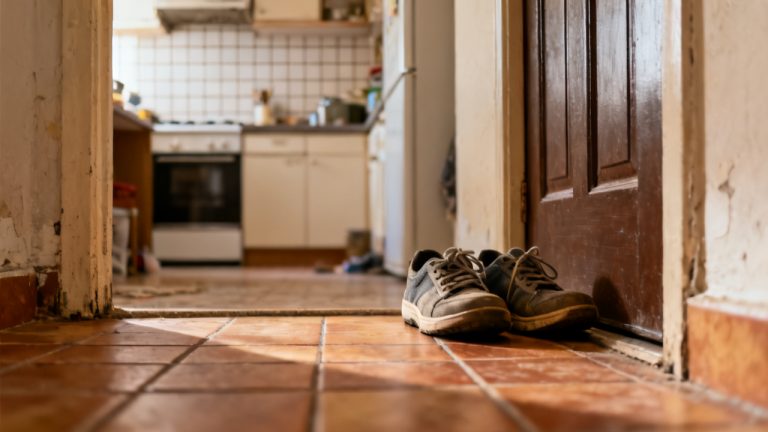
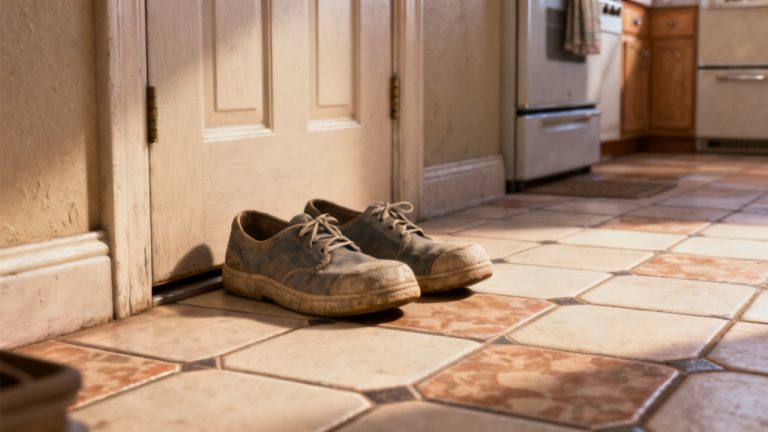
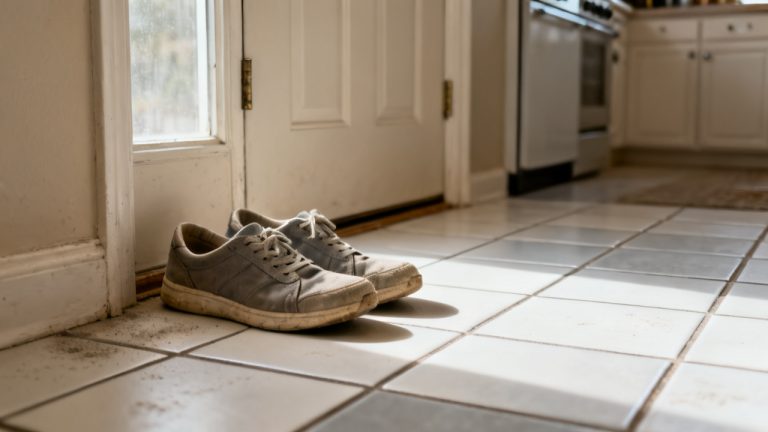
The boot is dripping and the radiator is the warmest thing in the room. You stop before you set it there. You can still feel the slush from the crosswalk seeped through the tread gaps when you stepped off the curb 10 minutes ago. Illustrative example: That 0.2 mile detour through the unplowed side street to grab your takeout pork and chive dumplings is the exact reason every seam of the pair is saturated. The other boot is propped against the doorframe where you kicked it off 30 seconds prior, already leaving a dark wet ring on the unfinished oak floor, so you shift the one in your hand over the welcome mat to catch the drips before they leave another mark.
What this waterlogged suede work boot pair shows you right now
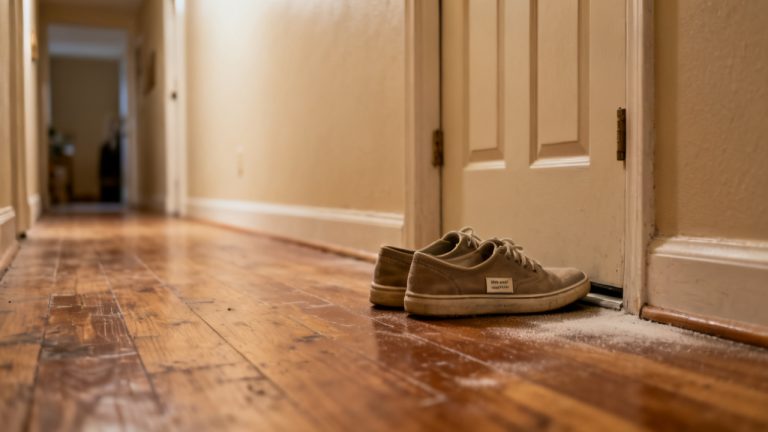
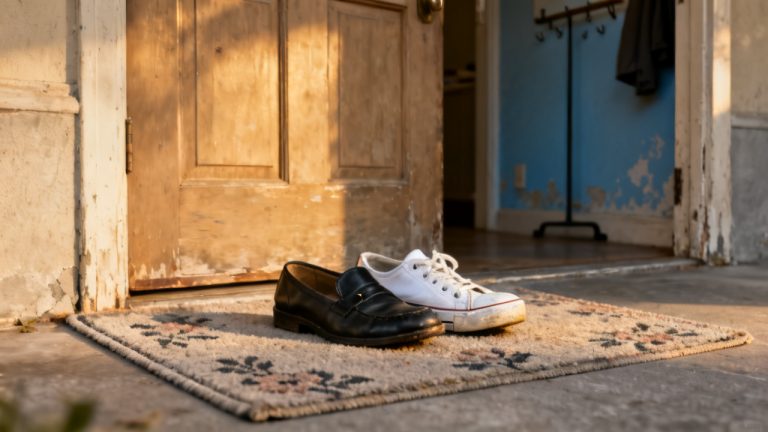
You turn the boot slowly in your hand to inspect the damage, and you spot a dark, uneven water line halfway up the suede shaft, right where the slush pooled when you sunk ankle-deep into a drift hidden under a layer of fresh snow. The suede nap is matted flat where the snow melted against it, rough to the touch instead of its usual soft, fuzzy texture, and you can see a faint white line of road salt crusted along the rubber toe cap where it dried in the wind before you made it up the stairs to your apartment. The laces are soaked through, their plastic aglets frayed where they’ve been caught on sewer grate edges and stair risers all winter, and if you squeeze the heel lightly, a bead of cold, slightly gray water drips straight onto the coir mat below your feet. You glance back at the radiator, its metal fins glowing faintly with heat, and you remember the pair of canvas running shoes you left on it last January: the rubber soles curled so badly at the toes after three hours of direct heat that you couldn’t even fit your foot inside them, and you had to throw them out after just two months of regular wear. The woven coir welcome mat you keep in front of the Doorstep Bench catches every drip before it can seep into the oak threshold, and you set the boot down next to its pair for a second to grab the supplies you need to dry them properly.
How you dry this suede work boot pair without warping the soles
You know direct, high heat will break down the glue that holds the rubber soles to the suede upper, shrink the material so the boots fit too tight around your toes, and fade the deep charcoal color of the suede to a dull, washed-out gray, so you stick to a slow, low-heat drying process that avoids all those issues with these simple steps:
- First, pull both laces all the way out of the metal eyelets, shake off any excess water, and drape them over the edge of the kitchen sink to drip dry separately. Pull the tongue of each boot as far forward as it will go, stretching the gusset that holds it attached to the shaft to open up the entire inner cavity for maximum airflow.
- Crumple three sheets of plain black and white newsprint (avoid glossy magazine pages or colored printer paper, which can leach dye onto the damp suede and leave permanent stains) into loose, fist-sized balls, and don’t pack them tight enough to stretch the toe box. Stuff them all the way into the toe of each boot, and add one more crumpled sheet pressed against the inner shaft to absorb any standing moisture trapped against the lining.
- Set both boots upright on the thickest section of the coir mat, angled so the open tongue faces the gentle, consistent airflow from the hallway heating vent that runs 2 degrees warmer than standard room temperature. Position them at least 3 feet away from the hot radiator fins, far enough that you can’t feel the radiated heat on the suede when you hold your hand against the outer shaft.
- Replace the crumpled newsprint every 90 minutes for the first three hours, swapping out saturated, damp sheets for fresh dry ones to pull moisture out of the suede and inner lining faster without applying any direct heat to the material.
- Once the outer suede feels fully dry to the touch, gently brush the nap with a stiff suede brush in short, uniform strokes following the natural grain of the material to lift the flattened fibers and brush away any leftover road salt residue that didn’t dissolve as the boots dried.
This process lowers the risk of sole separation, suede shrinkage, and discoloration, though regular exposure to deep slush, salt, and ice will naturally wear the boots down over time, and no drying method can eliminate that standard wear and tear entirely. If you notice small patches of salt that don’t brush away easily, you can dab them lightly with a damp microfiber cloth and let that section air dry before brushing again, no specialty cleaning products required.
When you check this work boot pair for full dryness
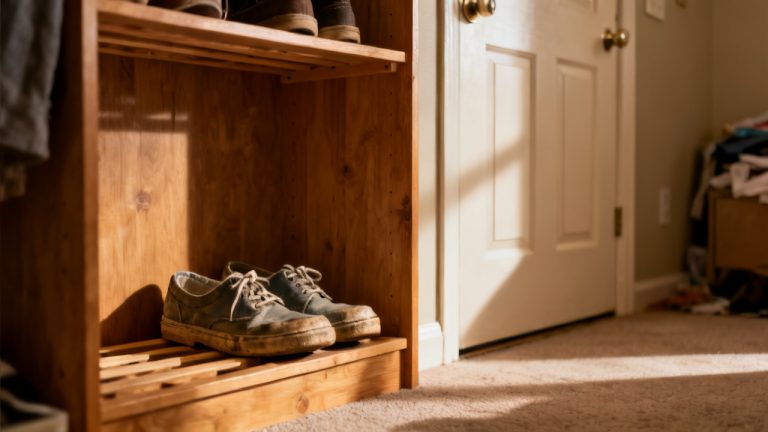
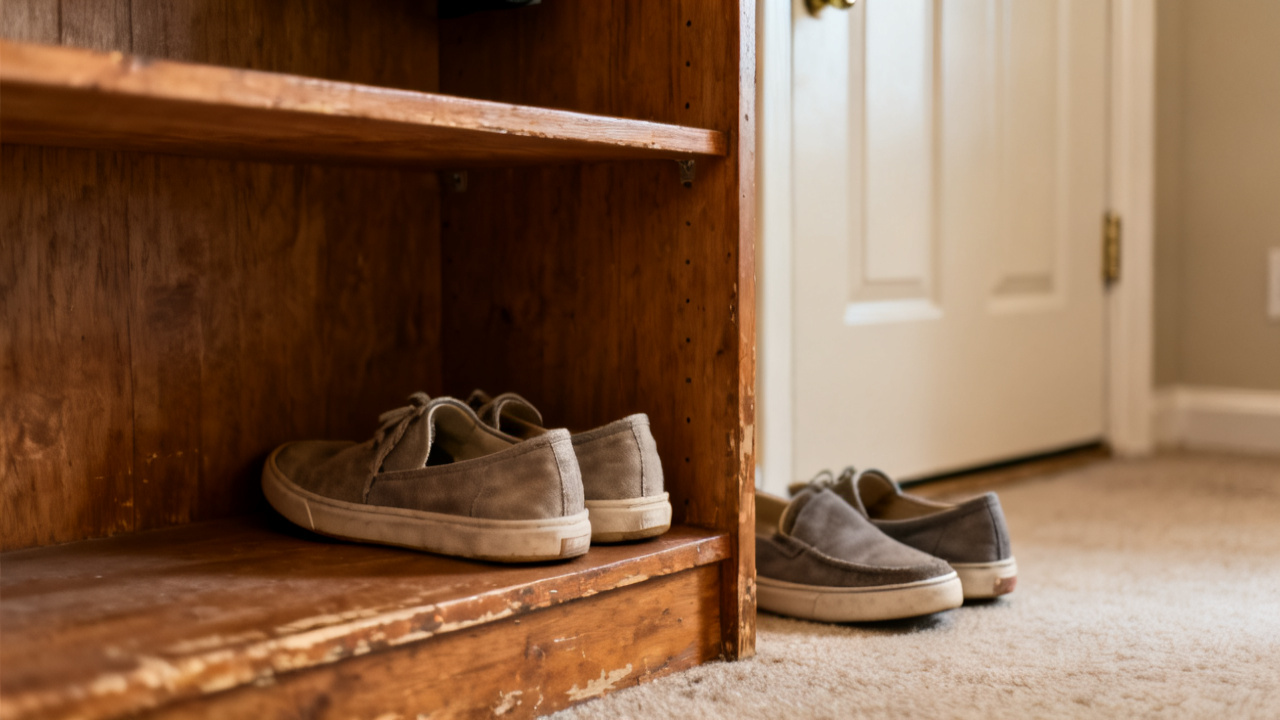
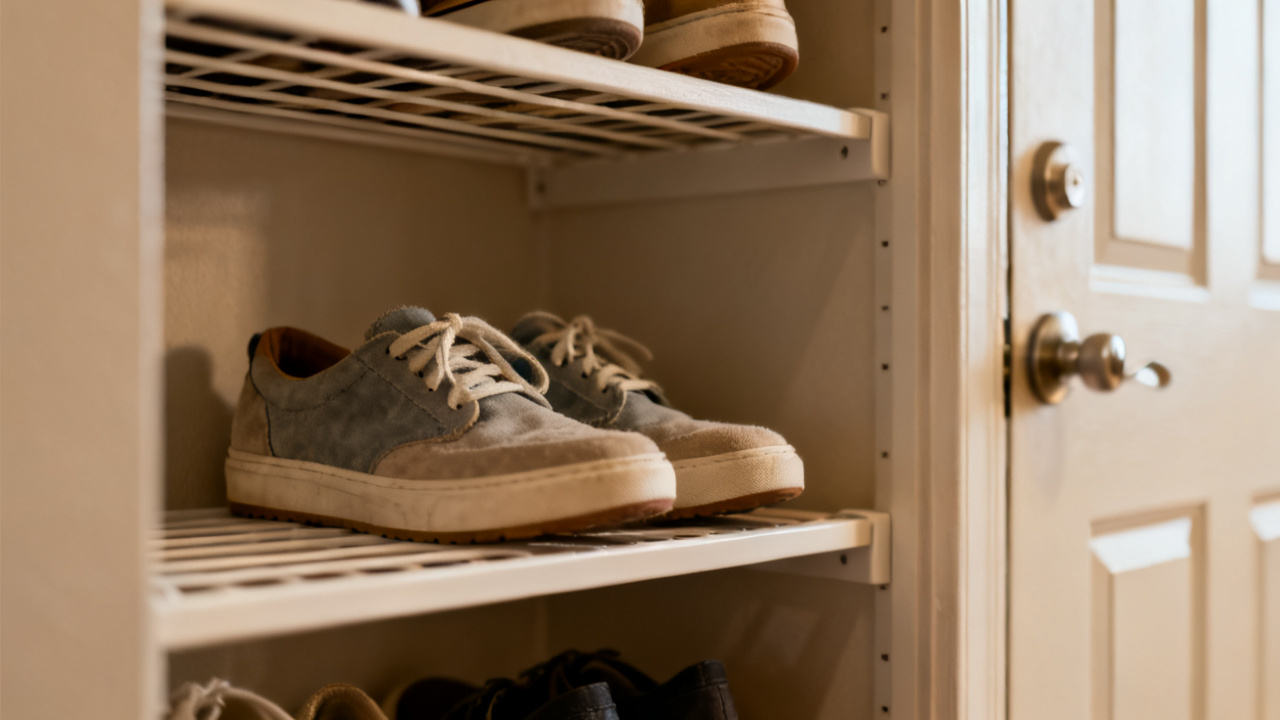
You set a reminder on your phone to check the boots first thing tomorrow morning, 12 hours from now, right before you head out to pick up your usual oat milk latte and drop off your stack of mystery novels at the public library. When you pick up the left boot first, you’ll squeeze the inner lining around the heel and toe to feel for any remaining dampness; if it still feels cool to the touch, you’ll swap in one more set of crumpled newsprint and leave them in front of the hallway vent for another three hours, still well away from the radiator. If they’re fully dry, you’ll thread the dry laces back through the metal eyelets, tie them in your usual loose bow, spritz the outer suede with a quick coat of waterproofing spray to give them an extra layer of protection for the next round of winter weather, and tuck them into the bottom shelf of your shoe rack by the front door. You won’t have to stress about stepping through unexpected slush drifts the next time you take that detour for dumplings, as long as you remember to skip the radiator when you get back home. If the forecast calls for more than 4 inches of snow the next day, you’ll grab a pair of thin waterproof rubber overshoes to slip over the work boots before you head out, cutting down on how much moisture seeps into the suede in the first place and cutting down on drying time when you get back. You don’t have to put any extra effort into caring for the boots beyond this simple routine, and they’ll hold up for multiple winter seasons of walks, coffee runs, and last-minute dumpling detours.