Knock the Mud Off Before the Hallway
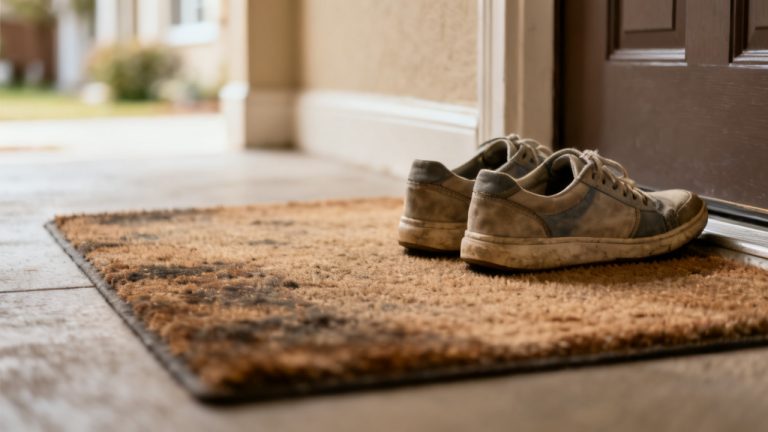
The tread is packed. The mat is one step inside the door. Your socks are still damp from the puddle you stepped through 20 minutes back, and you don’t want to track crumbs of clay all over the carpet your roommate just steam cleaned this morning. You shift your weight to your bare heel, one shoe already kicked off to the edge of the stoop, and squint at the clods clinging deep in the rubber lugs of the work boot still on your left foot. You can smell the wet earth on the fabric, sharp and green, and you know if you rush this step you’ll be scraping mud off the baseboards for 20 minutes later.
This pair holds more mud than you first estimate
You thought it was just a light dusting when you were walking up the sidewalk, but up close, you can see clay packed into every crevice of the deep lug tread, caked so tight you can barely make out the brand logo etched into the bottom of the sole. There are splatters all the way up the laces, crusted onto the plastic aglets, and a thick streak of mud seeped into the canvas overlay along the toe seam where you brushed against a wet embankment when you cut through the park on your way home. Even the inside edge of the collar has a faint smudge where your damp jeans rubbed against it as you walked, and if you bring the boot inside right now, every step will leave a faint brown print that gets ground into the carpet fibers before you even make it to the kitchen. You don’t want to deal with the lecture your roommate will give you about respecting common spaces, and you don’t want to spend your evening scrubbing carpet stains, so taking a minute to assess the mess before you move is worth the time.
Leave the dried seam streaks on this shoe untouched for now
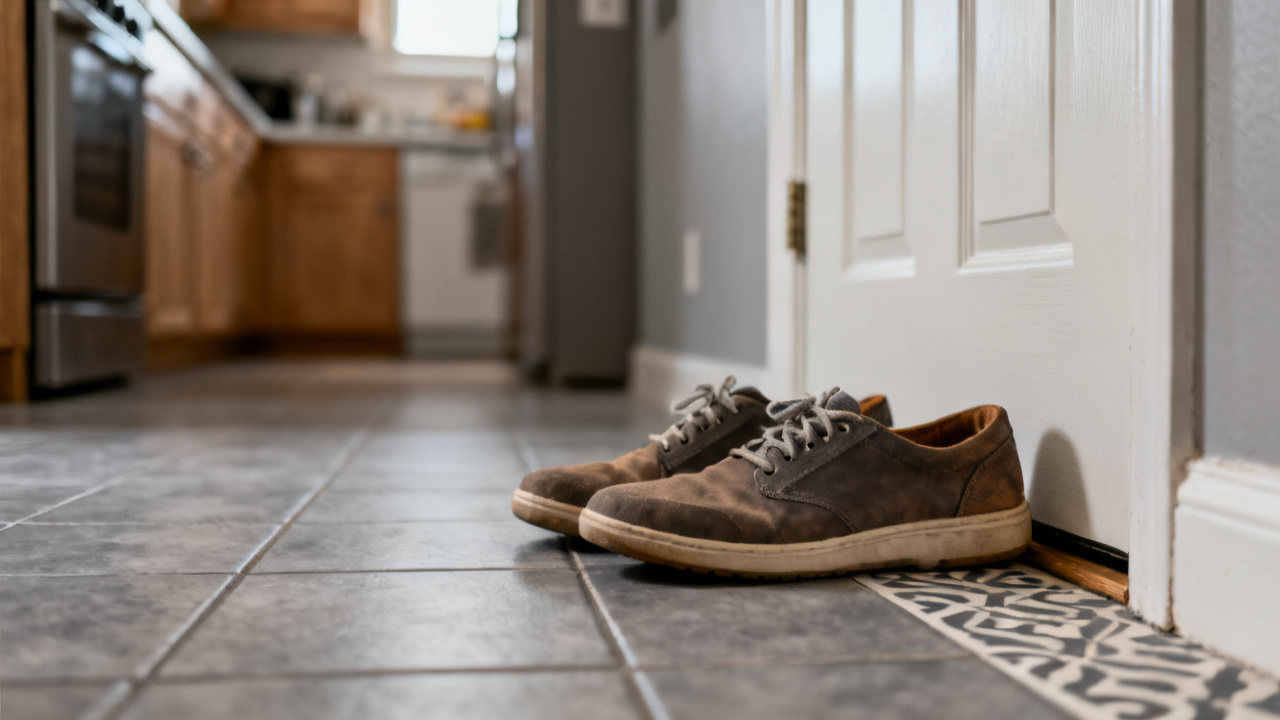
It’s tempting to dig at the mud seeped into the stitched canvas seam with your fingernail, but it’s still damp, and picking at it right now will only rub the pigment deeper into the fabric, leaving a permanent brown stain that won’t come out even with stain remover. Don’t yank at the caked aglets either, because you’ll fray the ends of the laces, and you’ll have to replace them before next weekend’s hike. You also shouldn’t wipe the soft mud off the side of the rubber midsole right now, because you’ll smudge it onto the suede side panel you spent three weeks breaking in to the perfect matte, worn-in tan. Any damage you do by rushing this step will be way more annoying to fix later than a little extra time spent waiting for the surface mud to dry enough to knock off easily.
Spend ten minutes working on this pair right on the stoop
You don’t need any fancy supplies, just the stiff bristle brush you keep tucked out of sight under the Doorstep Bench for exactly this kind of mess. Follow these steps to get most of the mud off without damaging the fabric or rubber:
- Grip the heel of the boot firmly, and tap the toe against the concrete edge of the stoop 5 to 7 times, angling the tread down so loose clods fall directly into the flower bed below instead of onto the doormat or your bare foot. Don’t tap too hard, or you’ll scuff the toe cap of the boot, and don’t hold it over the stoop itself, or you’ll have to sweep up mud crumbs later.
- Grab the stiff bristle brush and scrub across the tread lugs back and forth, applying just enough pressure to dislodge packed clay without scratching the soft rubber of the sole. Work your way from the toe to the heel, digging the edge of the brush into the narrow gaps between lugs to get out the smallest clumps of clay. Illustrative example: This step takes 3 minutes of steady brushing if you only walked a half mile through wet farm fields on your way home, and closer to 6 minutes if you tramped through muddy wooded trails for three hours.
- Run the edge of the brush along the rubber midsole, wiping excess mud off on the grass beside the stoop every three to four swipes, until no visible clumps remain on the hard, non-fabric surfaces of the boot. You don’t need to get every last faint brown streak right now, just the thick clumps that will flake off onto the floor if you bring the boot inside.
- Tap the heel of the boot against the stoop one more time to shake loose any stray crumbs of mud you dislodged while scrubbing, then set it down next to its pair to check for any spots you missed. If you see any large clumps still stuck, just scrub them with the brush for another 10 seconds, and they’ll come right off.
Set this shoe on the covered stoop rack for the next 12 hours
Even after knocking all the loose mud off, the canvas overlay and suede panel are still slightly damp from the wet clay, and if you bring them inside and toss them in the dark closet right now, they’ll develop a faint mildew smell that will cling to every other pair of shoes you own. The covered stoop rack is the perfect spot for them right now: it’s sheltered from the light rain that’s forecast for the next two hours, so the remaining mud won’t get re-soaked, but it gets enough cross breeze from the street to dry the fabric completely before you wake up tomorrow. It’s also mounted high enough that the neighbor’s tabby cat, who loves to curl up on warm shoes on cool evenings, won’t be able to reach them, so you won’t have to brush cat hair off the laces before you wear them next. You can still grab them fast if you need to run out for takeout later, just slip on a pair of thick wool socks so you don’t get any remaining dry mud dust on your bare feet.
Ignore the faint discoloration on this pair’s suede panels for now
You’ve probably seen hundreds of tips online that say you need to treat wet suede immediately to avoid permanent staining, but that advice applies to liquid spills like wine or coffee, not dryable mud. The faint tan splotches on the side panel are barely noticeable unless you’re leaning in six inches from the shoe, and they’ll fade almost completely once the suede dries fully and you brush the nap back into place. You don’t need to run for the suede eraser or white vinegar right this second, and you don’t need to worry about the tiny speck of mud on the shoe tongue either, since it’s hidden under the laces and no one will ever see it. Don’t waste time picking at it now when you’re already 10 minutes late to heat up the leftover pasta you’ve been craving since your lunch break ended at 2 PM. If the discoloration is still there tomorrow, you can deal with it then, but it’s not an emergency right now.
Check this pair first when you grab your shoes tomorrow morning
By then, all the remaining moisture in the fabric and tread will have evaporated completely, and any leftover crumbs of mud will be fully dry, so they’ll flake off with a single light swipe of the brush. You can run the suede brush over the side panels in quick, short strokes to lift the nap and fade any remaining faint discoloration from the mud, no special cleaners required. If the aglets still have caked mud on them, you can wipe them off with a damp paper towel in 10 seconds, or you can toss the whole pair of laces in the wash with your next load of dark laundry if you want them to look brand new, but that’s totally optional. Before you bring the pair inside to put them away, just tap the soles once on the doormat to shake off any loose dust that accumulated on them overnight, and you won’t have to worry about tracking a single crumb of mud onto the hallway carpet. You can even give them a quick spray of water repellent if you want to make them more resistant to mud the next time you head out for a hike, but that’s a task you can save for when you have 5 extra minutes to kill before you leave the house.