Match a Replacement Lace to the Old One
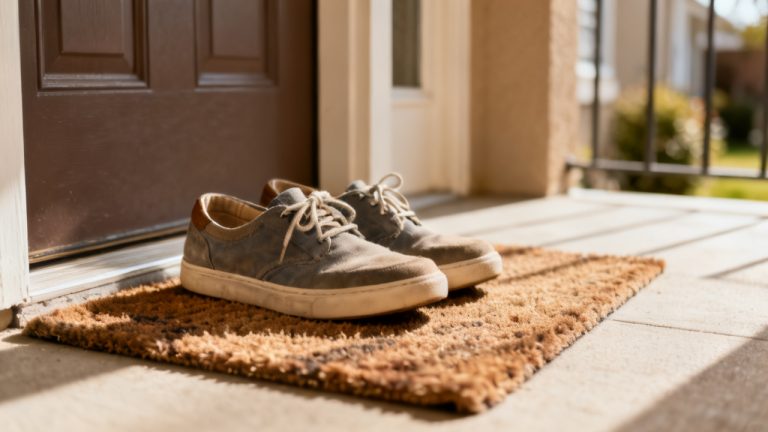
One lace is new in the package. The other is still on the shoe, faded. You prop the scuffed white canvas sneaker on the lowest step of your building’s entry, the one that always holds a faint smudge of bike oil even after heavy summer rain. The plastic lace package crinkles loud enough to make the passing tabby cat dart off the front stoop when you squeeze it, and you double-check the length printed on the back matches the rough measure you jotted in your notes app last night when the old lace snapped halfway up the third eyelet as you were sprinting to catch the bus. You tuck your key fob deep in your jacket pocket so it doesn’t clink on the concrete while you work, and brush a stray maple seed off the shoe’s toe before you start pulling the old lace out.
Inspect the Faded Lace on This Worn Canvas Pair
You work the old lace free from each eyelet slowly, careful not to yank so hard you stretch the fabric around the metal holes. You lay the full length of the lace across the step next to the unopened new one to compare size, and notice the old lace is nearly an inch longer than the listed length on the new package. You run your thumb along the old lace’s edge to feel for thin, worn spots, and find three separate fray points you missed before: one right where the lace snapped, one near the spot where you tuck the bow under the shoe collar, and one at the very tip that used to be capped with hard plastic before it wore off. Illustrative example: A 0.8 inch stretch in 100% cotton laces is typical for pairs worn 4+ times a week for a year, so you don’t need to worry the difference signals a mismatched base length. You set the old lace off to the side on a dry patch of the step, away from the bike oil smudge, so you can reference it as you test the new lace’s match.
Test the New Lace’s Color Match Against This Shoe’s Tongue
You tear open the plastic package and pull the new lace out, holding it up next to the exposed section of the old lace first. In the yellow glow of the building’s entry light, the new lace looks significantly brighter, almost stark white next to the faded cream of the old one. You lift the edge of the shoe’s tongue, which has been shielded from sun and rain for the entire 18 months you’ve owned the sneakers, and hold the new lace next to the fabric there. The white of the new lace lines up almost exactly with the original unyellowed white of the canvas tongue, which means the new lace is a perfect match for the shoe’s original design, not the faded worn version of the old lace. You hold both laces up to the faint natural light leaking over the top of the building’s awning to confirm, and decide you can either swap just the broken lace for a subtle two-tone look, or swap both laces to make the whole pair feel almost new again.
Compare Wear Metrics for This Pair’s Laces
You jot down quick measurements on the back of a grocery receipt you pull from your pocket, to make your final decision easier.
| Metric | Old Exposed Lace | Old Hidden Lace (under tongue) | New Replacement Lace |
|---|---|---|---|
| Color tone | Soft cream with faint grass stain fleck near third eyelet | Bright unyellowed cotton white | Bright unyellowed cotton white |
| Total length | 45.8 inches | 45.2 inches (cut to 45 before lacing originally) | 45 inches |
| Fray count per inch | 7 frayed fibers near top eyelet | 0 frayed fibers | 0 frayed fibers |
| Thickness at midpoint | 1.8 mm | 2.1 mm | 2.1 mm |
You can see from the measurements that the exposed old lace has stretched and thinned significantly from regular wear, while the new lace is a perfect match for the original state of the unused portion of the old lace. If you only swap the broken lace, the difference will be noticeable if you look closely, but it will fit the worn-in, well-loved vibe of the rest of the sneaker pair. If you swap both, you’ll only have to keep track of one set of laces for future replacement, and the shoes will look fresh enough to wear to casual work events if you need to.
Thread the Matched Lace Through This Shoe’s Eyelets
You decide to only swap the broken lace for now, to lean into the worn-in feel of the sneakers, and start working the new lace through the bottom eyelets.
- Start at the bottom eyelet closest to the toe, threading the lace from the outside in so the ends lie flat against the shoe’s upper instead of rubbing against your foot when you walk.
- Cross the lace ends over each other as you move up each pair of eyelets, pulling each cross just tight enough that the shoe upper sits snug against the tongue without bunching the canvas.
- Stop at the second-to-top eyelet to test the fit: slip the shoe on for 10 seconds to make sure the laces aren’t too short to tie a comfortable bow that doesn’t dig into the top of your ankle.
- Tuck any excess lace length under the crossing laces near the ankle if you don’t want the bow to hang past the edge of the shoe’s collar and catch on sidewalk cracks as you walk.
- Tie a loose double bow so you don’t have to yank the laces hard to untie them when you get home later that night.
You rest the shoe on the Doorstep Bench to keep the sole off your clean jeans while you tie the final bow, and shake out the other sneaker to make sure its existing lace is still tied tight enough to last through your walk.
Check This Pair’s Lace Fit Next Time You Stop for Coffee
You don’t have to overthink the fit or color match right now, since laces settle into their tension after the first 10 minutes of wear, and midday sun will give you a far better sense of the color difference than the building’s dim entry light. Your usual iced coffee stop is three blocks from your apartment, so that’s the ideal point to pause and adjust if the laces feel too tight across the top of your foot or too loose around the ankle. You tuck the extra old lace into the side pocket of your backpack on your way out, just in case you spot a fray you missed while you’re sitting at the outdoor counter sipping your drink. You’ll also be able to hold the new lace up to the old one in full, unfiltered midday sun then, to confirm the color difference is as subtle as it looks under the entry awning. If you decide you’d rather have both laces match exactly, you can swap the second one out that night when you get home, no rush to make the call before you head out for your day.