The Sock Is Wetter Than the Shoe
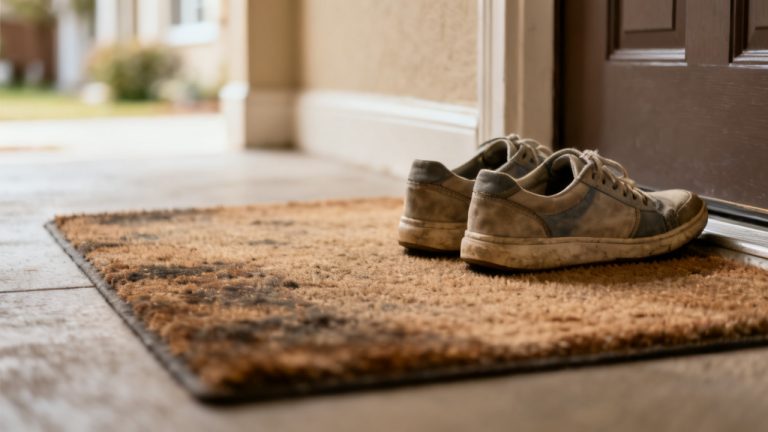
You peel the sock off and it is soaked higher than the shoe looks. You’re still balancing one foot on the welcome mat, rain dripping off the edge of your hood onto the rubber toe of the left shoe you set down ten seconds earlier. The cold seeps up your bare ankle before you can shift your weight, and you shake the excess water off the bunched sock into the flower box beside the step.
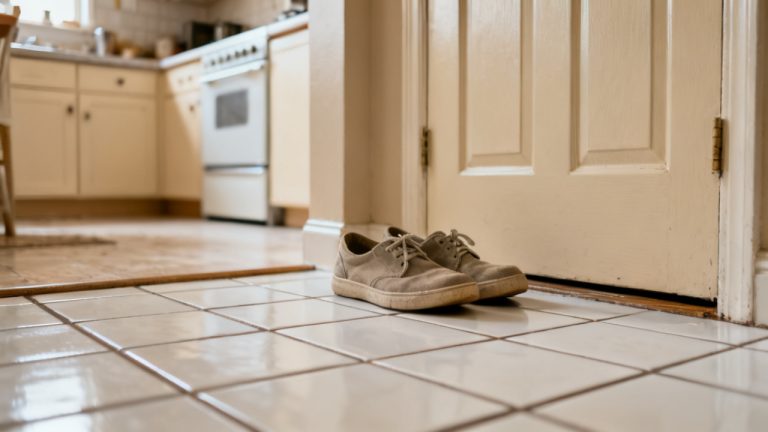
This suede work shoe has two barely visible slits along the side seam
You lift the left shoe off the mat, turning it over slowly in your palm to examine the area where the suede upper meets the textured rubber sole. The slits are no wider than a piece of thread, tucked just below the stitched seam line where you scraped the shoe against a concrete curb last week when you sprinted to catch your bus. You run your thumb over the gaps, and a tiny bead of water presses out onto your skin, explaining why your sock was soaked all the way up to your mid-calf even though the shoe’s exterior only looked damp around the toe cap. You set the shoe on the Doorstep Bench beside you to get a clearer view, shifting your weight to your dry, socked right foot so you don’t track mud into the apartment before you’re ready. The suede is still soft to the touch, no visible cracking or permanent damage, just those two tiny slits letting water seep in faster than you expected.
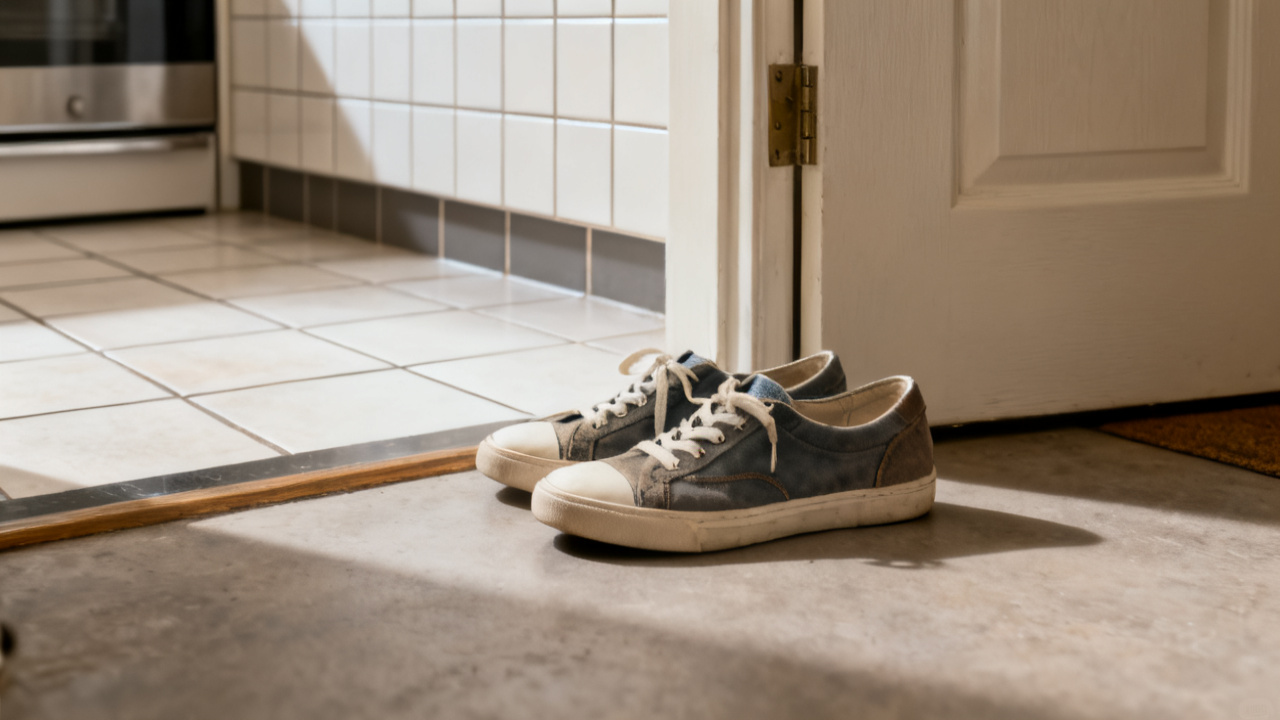
Test the shoe’s moisture barrier before you wipe down the exterior
You don’t want to spend time wiping the shoe down only to find the damage is worse than you thought, so you work through a quick check to assess how much water is getting through the gaps:
- Hold the shoe upside down over the welcome mat and squeeze the heel firmly 3 to 4 times to dislodge any trapped water in the foam sole cushioning that you can’t see from the outside.
- Pour ¼ cup of room temperature tap water (you keep a small bottle by the door for watering the flower box) along the outside of the seam where you spotted the slits, holding the shoe at a 45-degree angle so the water runs directly over the damaged area without soaking the rest of the upper.
- Press a dry paper towel against the inside of the shoe along the same seam, holding it in place for 10 full seconds to check for leaks that might be smaller than you can see with the naked eye.
- Run the same paper towel along the entire inner ankle lining and toe box to spot any smaller gaps or worn areas you missed on your first visual check.
- Wipe the exterior suede with a lint-free microfiber cloth, brushing with the grain of the fabric to lift excess moisture before it dries and leaves a permanent dark water stain.
You set the paper towel down on the mat after the test, and there are two small damp spots exactly where the slits sit, confirming that’s the only source of the leak. Illustrative example: A 7 minute walk through light drizzle is enough to push 2 teaspoons of water through even a tiny seam gap if the shoe’s waterproof coating is worn thin, which is why your sock got soaked so quickly even though the rain barely picked up during your walk home. You don’t need to throw the shoe out, and the damage is small enough to address when you have a free afternoon later this week.
Leave this pair propped against the porch rail to air through the night
You repeat the test on the right shoe just to be safe, and it has no visible gaps or leaks, so you wipe it down the same way you did the left. You loosen the laces on both shoes all the way, pulling the tongue out as far as it will go to open up the inner cavity and let as much air circulate as possible. You grab the scrap of old rubber doormat you keep tucked under the step, set it on top of the wooden porch rail to avoid scuffing the finish, and prop both shoes at a 30-degree angle with the toes pointing down toward the grass below. That angle lets any remaining trapped water drip out of the sole instead of settling in the toe box where it can cause mildew or make the inner lining break down faster. You don’t bring the shoes inside to dry by the heater, because direct, high heat can make the suede shrink and crack much faster than slow, natural air drying. You tuck a pair of thick, wool work socks into your jacket pocket hanging by the door so you don’t forget them tomorrow, when you’ll test the shoes again to make sure they’re fully dry.
Grab this pair before you head out for your morning coffee run tomorrow
You’ll reach for this pair first thing when you step out onto the porch tomorrow, before you lock the front door behind you. You’ll run your index finger along the inner seam of the left shoe first, checking for any leftover dampness that might have settled overnight, and if it’s fully dry, you can slip them on with the wool socks you stashed in your pocket. You’re only heading to the corner coffee shop 2 blocks away, and the forecast calls for clear, sunny skies all morning, so you don’t have to worry about more rain getting through the slits on that short trip. After you get back with your coffee and your usual chocolate croissant, you can dab a small amount of clear shoe sealant along the two slits if you have time, letting it dry fully before you wear the shoes for your full work commute later in the week. The sealant can help reduce leaks for future walks, but you’ll still want to check the seam after every heavy rain to make sure the seal is holding. You head inside now, shutting the door behind you, and set your wet sock on the edge of the bathtub to dry before you throw it in the laundry hamper. You make a mental note to check the forecast before you leave for work tomorrow, just in case the weather shifts faster than the app predicted, but you know even if it does, you have a dry pair of sneakers sitting by the front door you can swap for if needed.